
Indigenous Youth Innovation: Joshua Ichor Combats Water Contamination in Nigeria
6 Januari 2026agnes
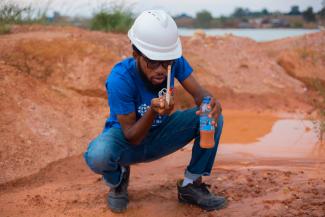
By Georges Dougon (Dogon, CS Staff)
Ichor Joshua is a 23-year-old geologist, water expert, and climate innovator hailing from Nigeria. Passionate about environmental sustainability and social impact, Ichor has dedicated his life to addressing the pressing challenges of water scarcity and climate change in sub-Saharan Africa.
He is the founder of Geotek, an organization that stands as a testament to his ingenuity and commitment to leveraging technology for positive social change. His interests are in sustainable technologies and innovation that will improve livelihoods and promote environmental sustainability.
In addition to his technological endeavors, Ichor is deeply engaged in advocacy and capacity-building initiatives aimed at raising awareness about environmental and water issues. He works to empower local communities to take ownership of sustainability efforts. A passionate advocate for youth empowerment and environmental stewardship, he inspires the next generation of changemakers to take action for a more sustainable future.
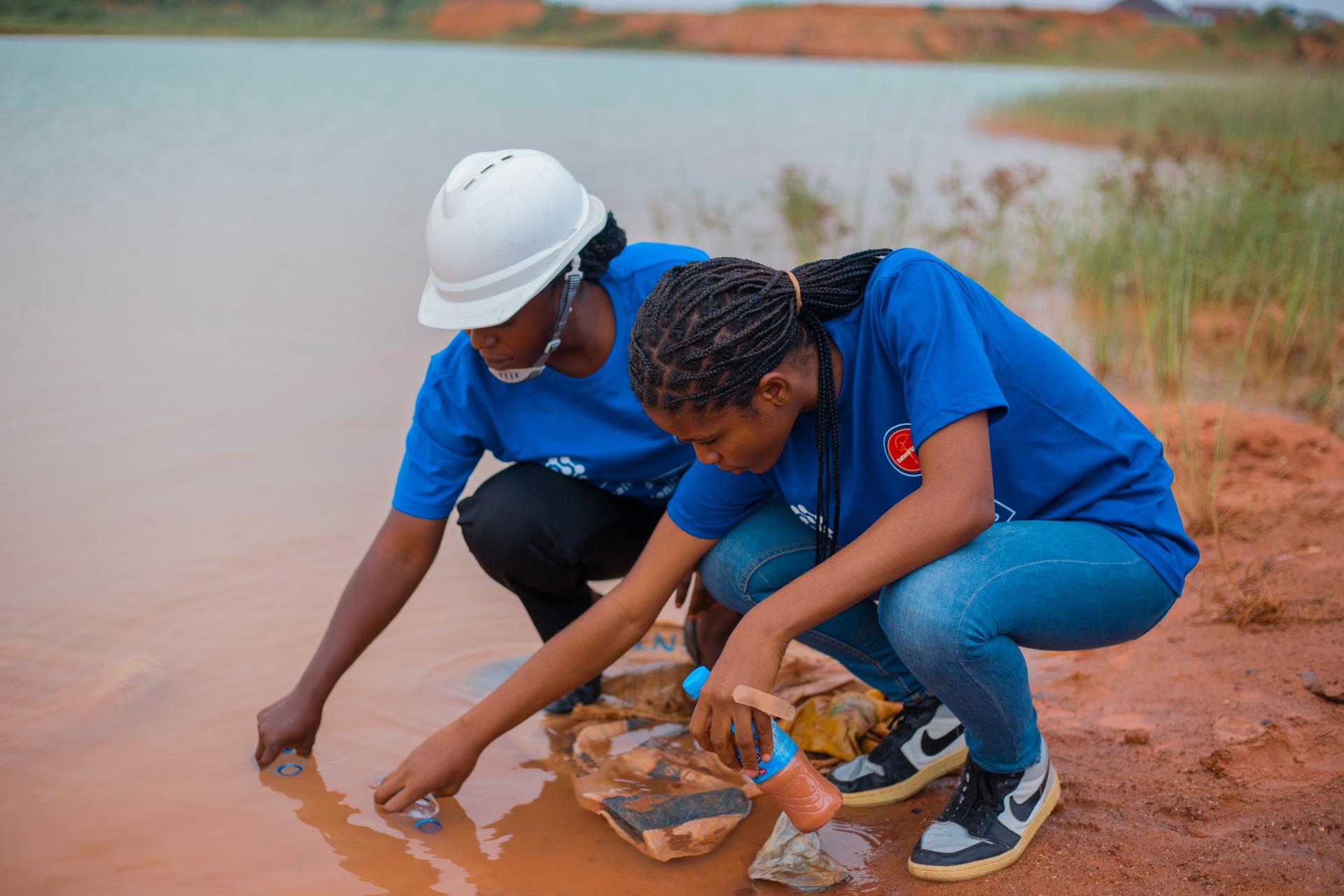
Through the Cultural Survival Indigenous Youth Fellowship, Ichor implemented a project called “The Geotek Water Project.” The initiative prioritizes the safety and well-being of all, particularly members of the Tiv community, while aligning with local regulations and international standards such as the Sustainable Development Goals (SDGs). The project aims to directly benefit and engage five distinct communities in regions affected by mineral exploitation, particularly in areas where zinc and cobalt mining companies operate.
Ichor’s project was implemented with a dynamic team of water experts, community builders, and technical workers, who together trained four communities. “It was a great experience working alongside local volunteers and community leaders,” he shared during the fellowship closure call.
“Implementing our water project in northern Nigeria and surrounding underserved communities required navigating multiple and compounding risks,” Ichor explained. “These included conflict and insecurity, such as attacks in rural villages where over 100 people were reportedly killed, and direct risks to our team, as we narrowly escaped several incidents.”
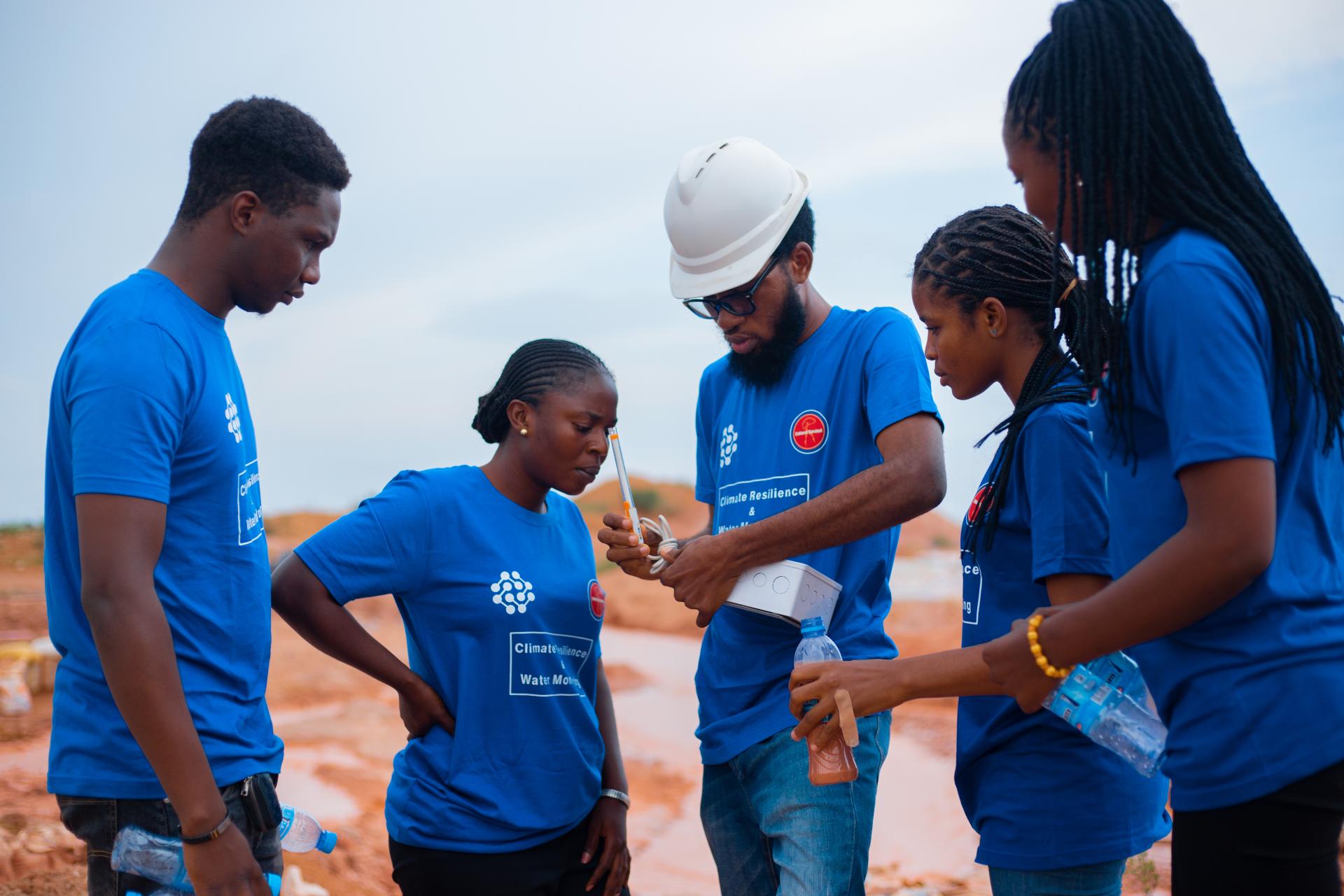
Nigeria recorded several thousand fatalities from violence targeting civilians in 2025 alone. At the same time, the country faces climate-driven environmental degradation. In northern Nigeria, rainfall has declined by about 25 percent over recent decades, and higher evaporation rates and rainfall variability increasingly threaten water availability. Compounding these challenges, mining-related contamination of water supplies has been well documented, with heavy metals and other pollutants found in Nigeria’s water sources due to extractive activities.
Despite these intersecting pressures, Joshua’s team successfully designed and deployed five water monitoring stations, provided clean water access through twenty filtration units, and trained 200 Indigenous community members, including many youth and women, to manage and sustain these systems. “The participatory nature of our project allowed us to adapt solutions to local realities while building community confidence in managing environmental protection and water safety,” Ichor added.
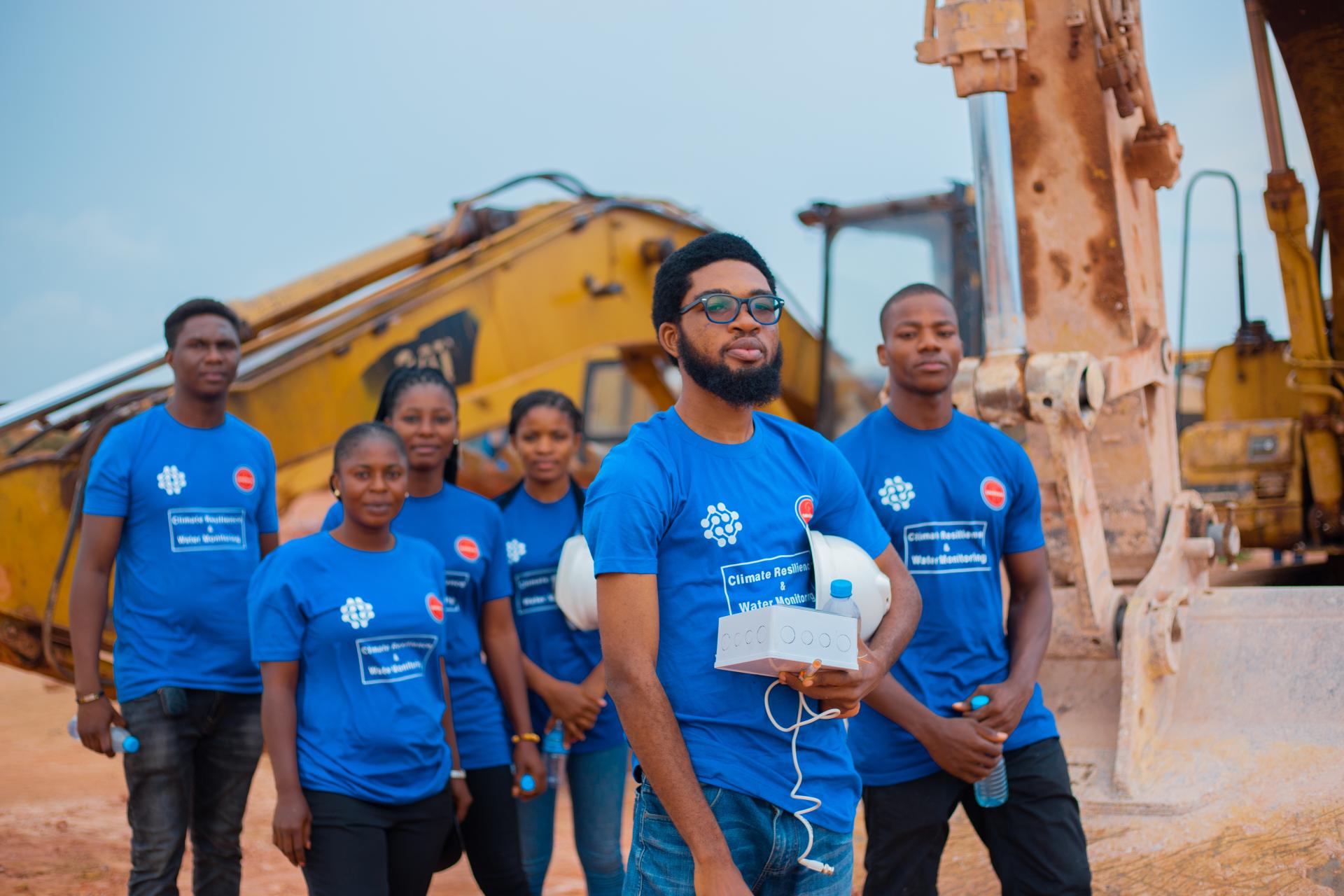
For Joshua and his team, the Cultural Survival Indigenous Youth Fellowship offered more than financial support; it created a platform to transform an ambitious idea into meaningful, community-owned impact. Through the fellowship, they combined science, technology, and grassroots organizing to address the serious problem of water contamination in northern Nigeria. The funding enabled the development of a functional water monitoring system and a locally accessible app for citizen science. At the same time, public training efforts ensured the long-term sustainability of the intervention.
“This initiative helped restore dignity to our communities, whose health and livelihoods had been compromised by extractive industries,” Joshua reflected. “The fellowship affirmed that Indigenous youth are not only capable of solving local problems but are also critical actors in shaping climate resilience, technological innovation, and environmental justice.”