Beyond Mediation: When Conflict Resolution Institutions Must Keep Learning and Adapting
 18 December 2025
In many conflict-affected contexts, conflict resolution and mediation institutions are widely recognized for their neutrality, impartiality, and independence. These principles are not rhetorical ideals; they constitute the institutional foundations that sustain trust among stakeholders. However, amid accelerating global change and growing uncertainty, a critical question arises: is the role of mediator alone still sufficient?
Contemporary social, agrarian, environmental, and natural resource conflicts have evolved in both scale and complexity. They no longer involve only two disputing parties, but rather a wide array of actors—including local communities, private sector entities, government institutions, and global interests—interlinked through policy regimes, market dynamics, and asymmetrical power relations. Rapid regulatory change, the expansion of global supply chains, and increasing investment and sustainability requirements have created multi-layered and highly dynamic conflict environments.
Within this landscape, conflict resolution institutions increasingly engage with issues related to human rights, responsible business conduct, and sustainability. Instruments such as Human Rights Due Diligence (HRDD) have moved from the periphery to the core of global expectations placed upon the private sector. Consumer awareness, investor policies, and international commitments on climate and environmental protection now significantly influence how conflicts emerge, escalate, and are addressed at the local level.
These developments are systemic. Agrarian and environmental regulatory frameworks continue to evolve in response to political and development priorities. Concurrently, the global economy remains highly sensitive to price volatility, technological change, and shifting trade standards. The resulting uncertainty frequently manifests as new or intensified conflicts at the local level, often driven by overlapping regulations, unclear mandates, or unequal access to information and decision-making processes.
At the community level, social change is occurring at a comparable pace. Increased mobility, shifting production and consumption patterns, and evolving social relations contribute to heightened vulnerability. Conflicts are rooted in historical grievances, structural inequality, identity, and long-standing injustices. The proliferation of digital and social media further amplifies risk, enabling localized issues to escalate rapidly and complicating conflict management efforts.
In response, conflict resolution institutions are required to enhance their adaptive capacity while maintaining their core principles. Mediation practices must be strengthened to incorporate policy analysis, political economy perspectives, and systematic identification of social and human rights risks. Conflict resolution should be understood not merely as a mechanism for achieving agreement, but as a process aimed at addressing root causes and promoting more equitable and sustainable relationships.
More broadly, conflict resolution must be framed as a transformative, long-term endeavor. Its objective extends beyond short-term de-escalation toward the establishment of durable dialogue mechanisms and institutionalized communication channels that prevent the recurrence of conflict. Achieving this requires sustained engagement, strong contextual knowledge, and the provision of inclusive and secure spaces for dialogue.
For CRU Indonesia, adaptation entails the development of a conflict-sensitive ecosystem: strengthening community capacities, facilitating cross-sector collaboration, and preparing a new generation of mediators equipped to navigate contemporary complexity. Central to this effort is CRU Indonesia’s commitment to operating as a learning organization—systematically reflecting on practice, integrating field-based evidence, and continuously refining its methodologies.
At the same time, CRU Indonesia’s moral foundation remains unchanged. Neutrality, impartiality, and independence continue to serve as non-negotiable institutional anchors, reinforced to ensure relevance and credibility in an increasingly complex operating environment.
This edition of Layang Damai marks the conclusion of 2025—a year of substantial learning and institutional development for CRU Indonesia.
We extend our appreciation to partners, donors, and stakeholders for their continued trust and collaboration, and we look ahead to 2026 with a shared commitment to innovation, partnership, and the advancement of sustainable peace.
Merry Christmas to our readers who celebrate, and warm wishes for the New Year 2026. May the year ahead open wider spaces for creativity, collaboration, and peacebuilding efforts.
Amid this season of joy, our thoughts and prayers are also with our brothers and sisters in Sumatra who are facing floods and landslides. May they find strength, and may recovery come swiftly.
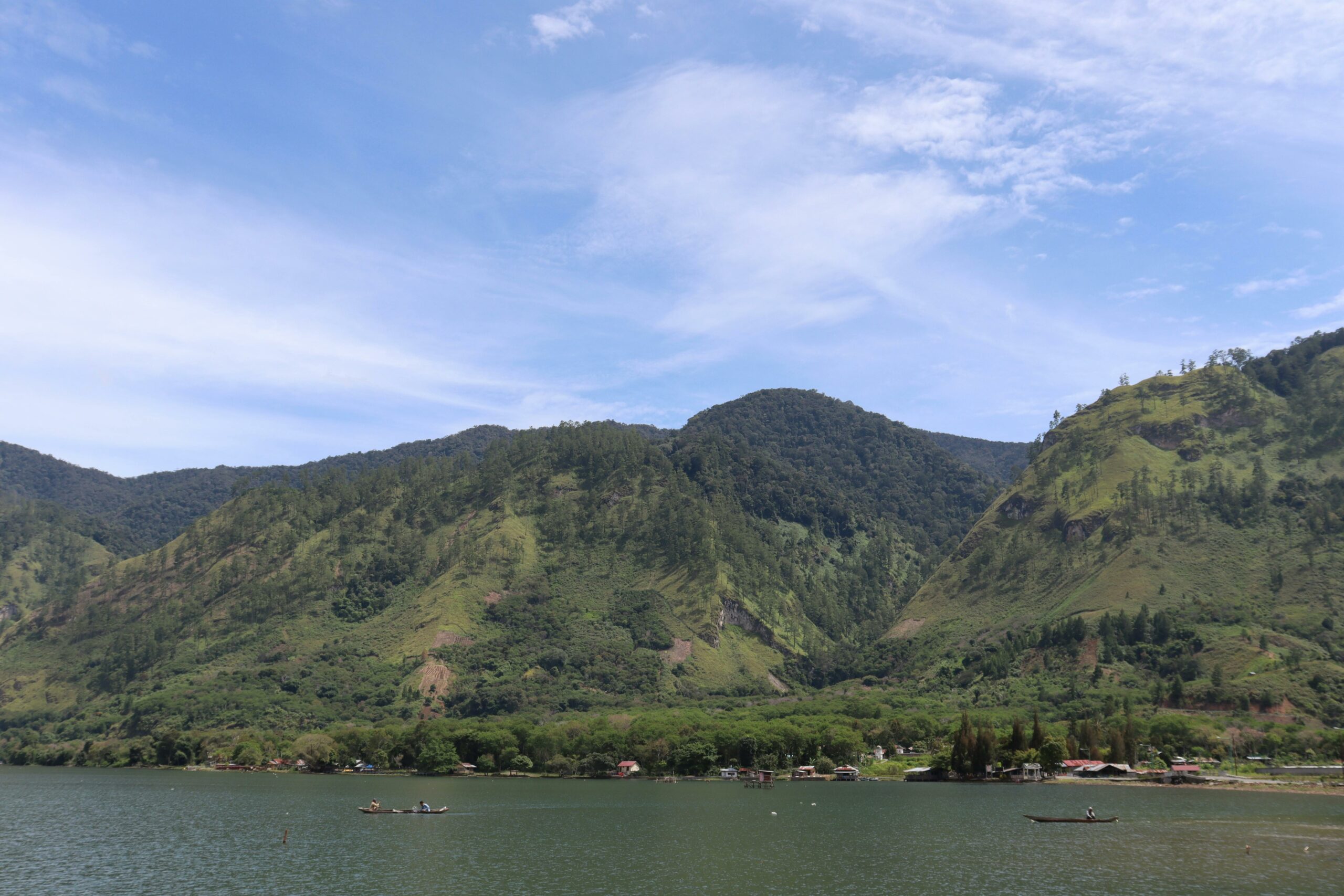
Photo by Nazarul Akmal.