

Addressing Tenure Conflicts: A Strategic Precondition for Social Forestry, Energy Transition, and Climate Solutions
21 August 2026 Blogsphere / Latest News / Newsfeed 0 CommentMany development programs fail not because the technology is inadequate, but because the social foundation is weak. Social forestry, renewable energy, ecosystem restoration, and other nature-based climate solutions ultimately depend on one fundamental condition: secure land tenure and fair relationships with the communities who live in and depend on those […]
Read More
The Strategic Role of FPIC in Reducing Conflict Risk
22 July 2026 Blogsphere / Latest News / Newsfeed 0 CommentIn land- and natural resource-based development, conflict is too often viewed as a problem to be managed only after it has emerged. Yet experience consistently demonstrates that the social, economic, and reputational costs of conflict far outweigh the investment required to prevent it. This is precisely why Free, Prior and […]
Read More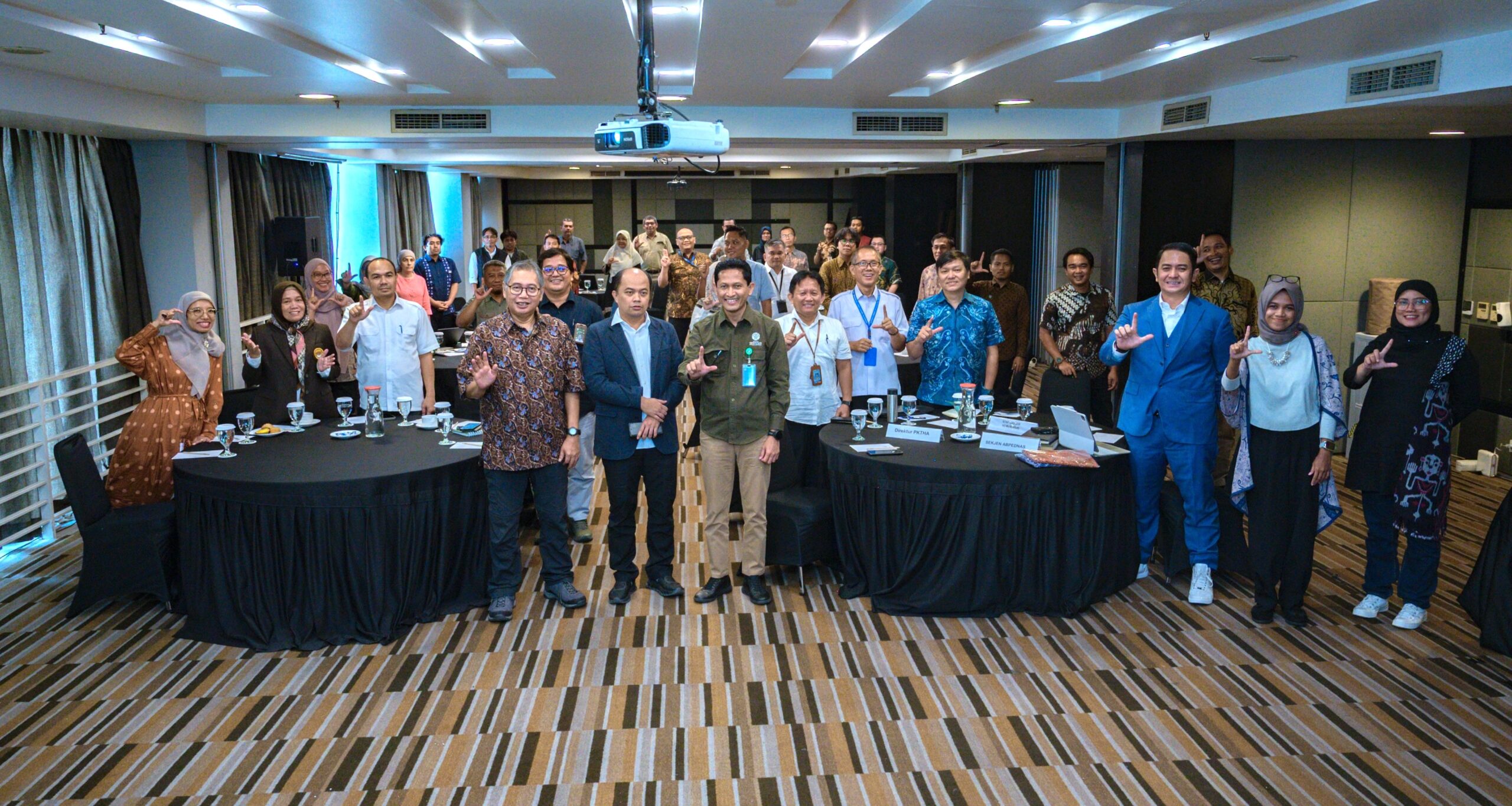
Kick Off Program CRU Indonesia: Bringing Conflict Resolution Closer to Communities: Exploring the Case for Decentralization
25 June 2026 Latest News 0 CommentLand and natural resource conflicts have long been a feature of Indonesia’s development landscape. Yet in recent years, these disputes have become increasingly widespread, diverse, and complex. Unclear forest boundaries, overlapping permits, competing land claims, the expansion of extractive industries, and growing pressures on land and livelihoods have all contributed […]
Read More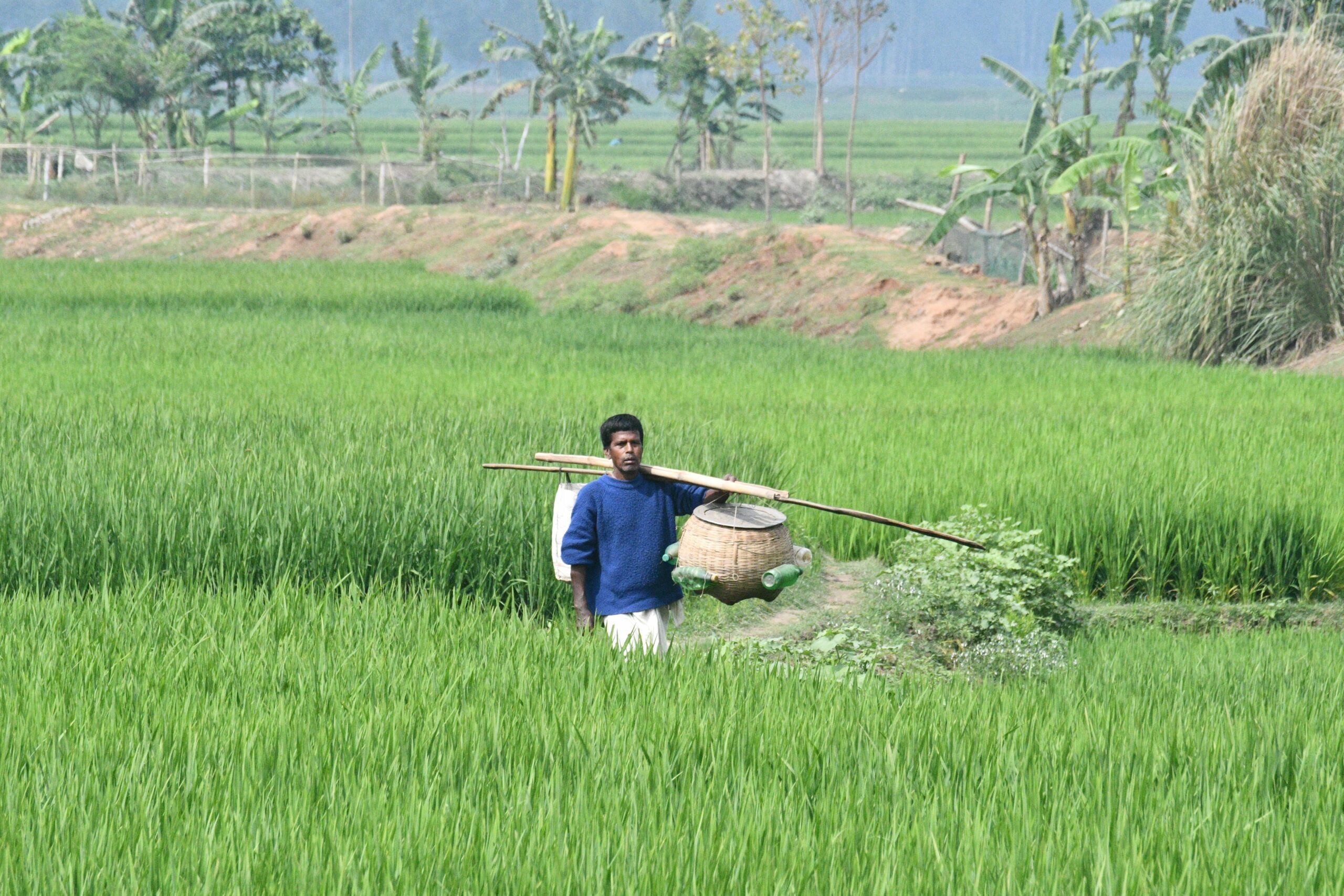
Agrarian Conflicts Won’t Wait: Why Local Governments Must Be on the Front Line
24 June 2026 Latest News 0 CommentIn many villages far from the nation’s capital, land disputes can linger for years. Communities are left without certainty over the land and resources they depend on, investments stall, public services are disrupted, and local governments are forced to manage the growing social consequences. Meanwhile, complaints and grievances often have […]
Read More
Finding Independent Financing Pathways for Land and Natural Resource Conflict Mediation
1 December 2025 Blogsphere / Latest News / Newsfeed 0 CommentWhy independent funding is critical for effective conflict resolution at the local level? Land and natural resource conflicts continue to emerge across Indonesia. Their negative impacts are felt not only by communities who lose access and living space, but also by businesses and government. The cost of conflict—from direct losses […]
Read More
Managing Risks and Addressing Human Rights-Based Land and Natural Wealth Conflicts
29 April 2025 Blogsphere / Latest News / Newsfeed 0 CommentLand and natural resource conflicts in Indonesia are a persistent, structural issue with deep and lasting effects on people’s lives—especially indigenous communities and smallholders. These conflicts go beyond disputes over ownership or administrative boundaries; they also involve fundamental human rights, including the right to food, a healthy environment, cultural preservation, […]
Read More
Land Conflict and Climate Change: Behind the Tensions that Threaten the Future
26 March 2025 Blogsphere / Latest News 0 CommentLand and natural resource conflicts continue to escalate alongside rising global temperatures. In Indonesia, the response to climate change has yet to include meaningful efforts to address land conflicts. In fact, efforts to tackle climate change through adaptation and mitigation, particularly in the land and forestry sectors, stem from the […]
Read More
Inclusive Land and Natural Resources Conflict Management
2 December 2024 Latest News 0 CommentLand and natural resource conflicts always involve various parties with different interests. To resolve these conflicts in a fair and sustainable manner, the first and most important step is to conduct an inclusive study or assessment, as an affirmative action for vulnerable groups and women. These assessments are at the […]
Read More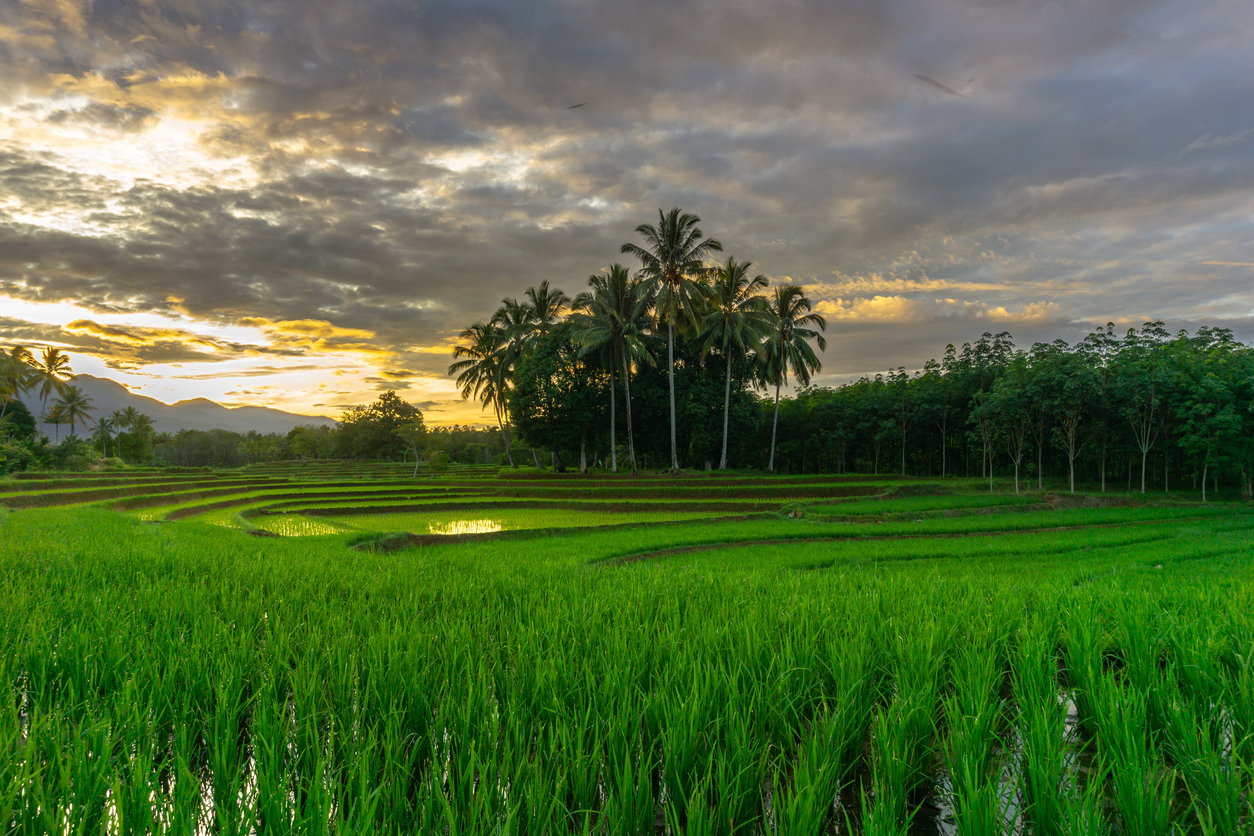
Transmigration Conflict: An Unpaid Policy Debt
28 October 2024 Blogsphere / Latest News / Newsfeed 0 CommentThe transmigration program in Indonesia, which was initiated during the colonial era in 1905 in Gedong Tataan, Lampung, remains in effect until present day. The implementation of transmigration following independence began on December 12, 1950, as evidenced by the departure of transmigrants from Kedu, Central Java to Lampung. This date […]
Read More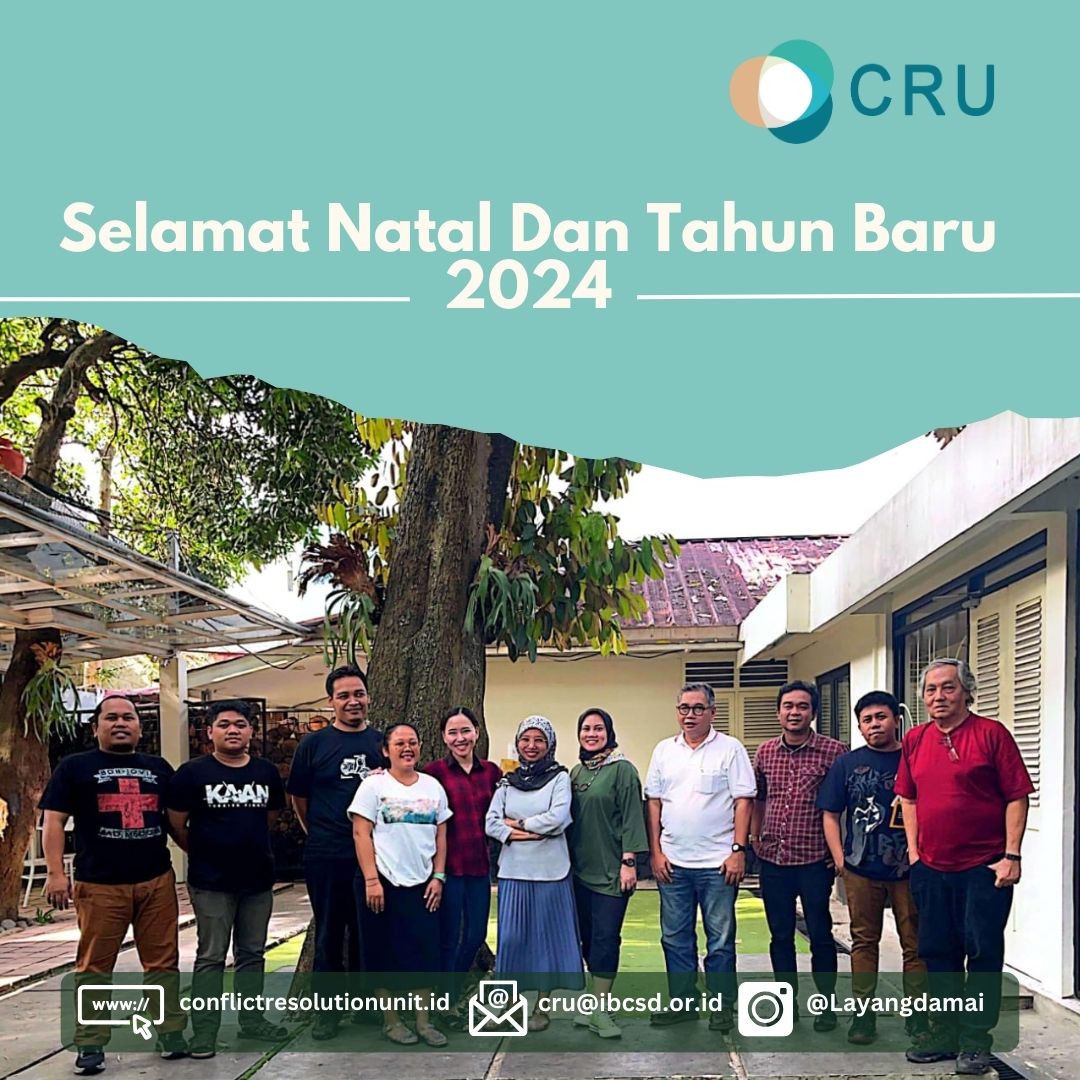
An Expression of Gratitude from CRU: Building Sustainability Together
22 December 2023 Blogsphere / Latest News / Newsfeed 0 CommentCRU has been working to develop and strengthen its institutional foundations, in order that in the upcoming years it can contribute, although small and limited, yet meaningful in the great effort of handling land and natural resource conflicts in development. We have been supported by various parties in this effort. […]
Read More- 1
- 2