
Once Peace Is Reached, Who Sustains It?
 25 May 2026
Too often, efforts to resolve agrarian conflicts come to a halt the moment a peace agreement is signed. A group photo is taken, hands are shaken, and everyone leaves believing the conflict has been resolved. Yet in many cases, the most critical work actually begins after the agreement is reached.
A peace agreement is not the finish line. It is the starting point of a long process of rebuilding trust, honoring commitments, and ensuring that the same conflict does not reemerge in a different form. This is why post-conflict monitoring is an essential part of building sustainable peace.
In agrarian conflicts, the willingness of all parties to pursue peace is certainly a vital foundation. But that foundation must be reinforced through mechanisms that allow stakeholders to continue listening to one another, reminding one another of shared commitments, and correcting course when implementation begins to drift from the substance of the agreement. Without collective oversight, agreements can easily become little more than formal documents that lose meaning in practice.
This is where careful implementation planning becomes crucial, down to the operational level. Who is responsible for what, when actions will be taken, how they will be carried out, and how progress will be monitored should ideally be embedded in the agreement from the outset. Monitoring is not simply about identifying mistakes; it is about ensuring that the process stays on track and that its intended benefits are genuinely realized.
Joint monitoring also creates space for healthier collaboration. When new obstacles arise—whether shifting social dynamics, technical challenges, or limited resources—the parties still have room to adjust their plans without falling back into conflict escalation. In this sense, monitoring serves as an instrument for preventing recurring conflict.
The role of mediators or convening institutions also does not necessarily end once an agreement has been reached. In practice, many underlying issues often remain unresolved when mediation formally concludes: power imbalances between parties, communication barriers, or agreements that prove difficult to implement. In situations like these, continued facilitation and support are often necessary to keep the peace process moving forward.
There are, of course, challenges. Not every mediator or convener has the resources to remain engaged over the long term. At the same time, the parties themselves may not always be ready to embrace ongoing facilitation. Still, if the ultimate goal of conflict resolution is a peace that genuinely works on the ground, then the post-agreement phase cannot be treated as a mere afterthought.
Peace is not simply about reaching an agreement. Peace is the collective ability to keep that agreement alive, relevant, and trusted over time.
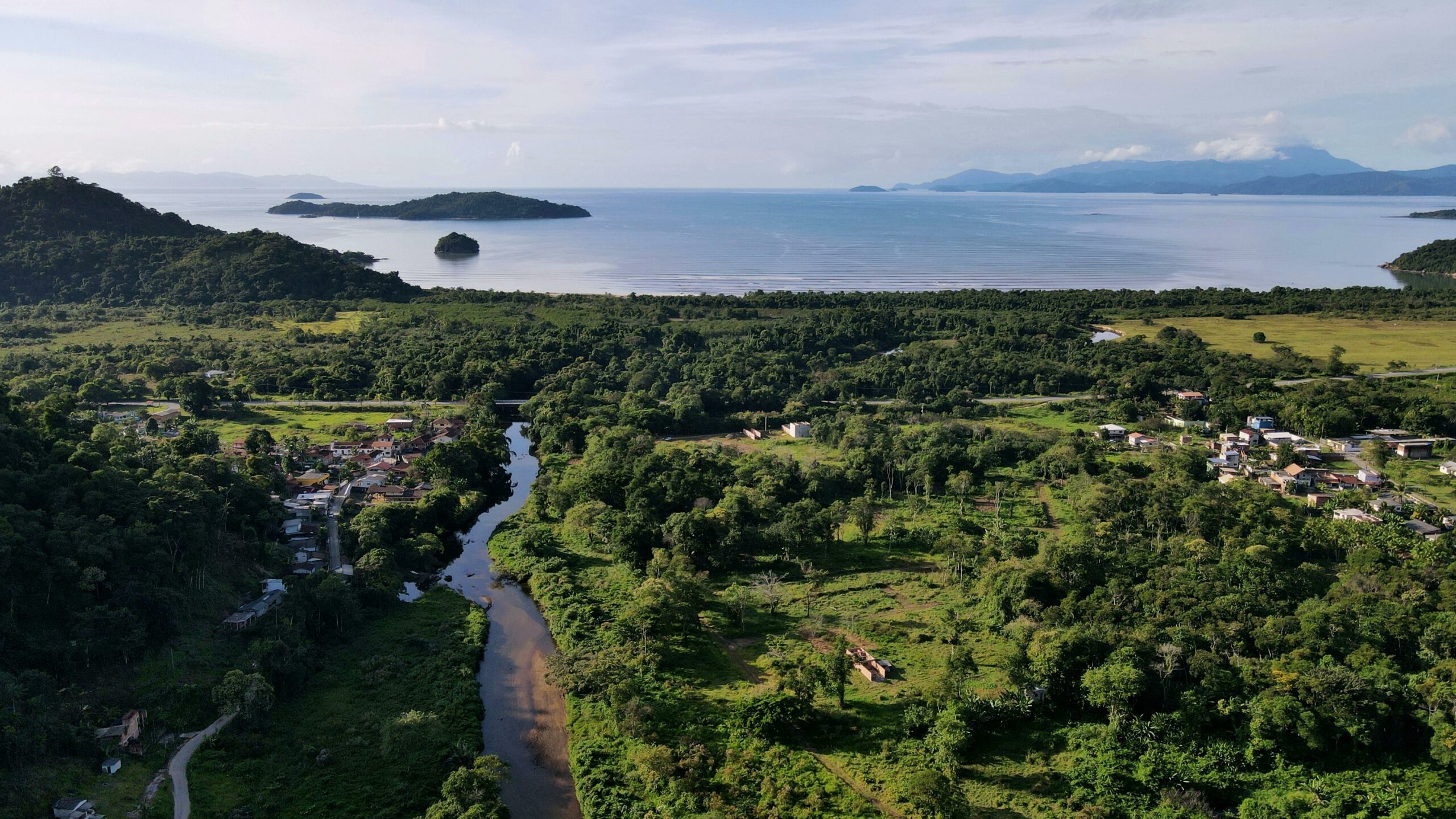
Photo by: Tulio Mattos from Pexels