7 Actions to Take on Int’l Day of the World’s Indigenous Peoples 2026
9 Agustus 2026agnes
_0.png?itok=ruhfujAJ)
August 9 is International Day of the World’s Indigenous Peoples (August 9). Every day, we honor the sovereignty, richness, and beauty of Indigenous Peoples, languages, and lifeways.
The first meeting of the United Nations Working Group on Indigenous Populations was held in Geneva, Switzerland, on August 9, 1982. Since then, many spaces have opened up for Indigenous voices to be heard, and new agreements protecting the rights of Indigenous Peoples have been adopted. While we celebrate these outcomes, we also recognize that the promise of human rights for Indigenous Peoples worldwide remains unfulfilled. In many parts of the world, Indigenous Peoples are still facing grave human rights abuses and challenges.
This year’s theme is “Honouring Indigenous Midwives: Safeguarding Life and Well-being.”
Indigenous Peoples, our values, and knowledge systems hold solutions to today’s greatest challenges, including climate change, ecocide, and biodiversity loss. But all too often, we are not listened to, consulted, nor given seats at the tables where important decisions that impact us are being made. At Cultural Survival, we are working around the world and around the clock to support the priorities of Indigenous Nations and communities that are protecting Mother Earth for generations to come and for the millions of people, plant, animal, and mineral relatives that share our homelands.
7 Actions to Take on Int’l Day of the World’s Indigenous Peoples
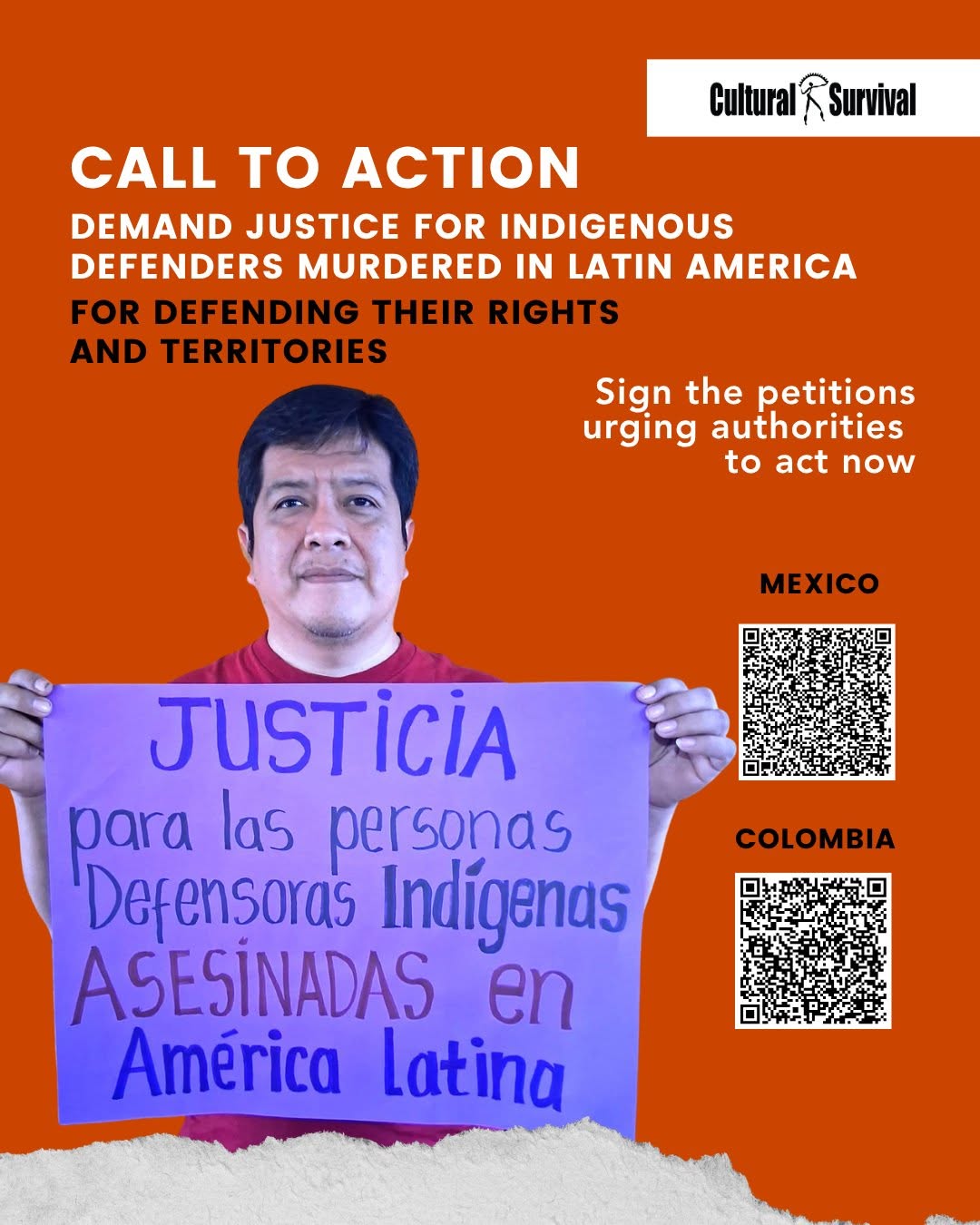
1. Demand Justice for Indigenous Defenders in Mexico and Colombia
Join the In Memoriam Campaign for Justice for Indigenous Defenders killed in Mexico and Colombia, where Indigenous defenders continue to face deadly violence for defending their rights, lands, and territories.
We call on the governments of Colombia and Mexico to investigate attacks against Indigenous defenders, ensure their protection, and deliver justice.
Read the report: cs.org/inmemoriam2025
- Colombia: https://bit.ly/IndigenousDefendersColombia
- Mexico: https://bit.ly/IndigenousDefendersMexico
Tag the authorities:
Mexico
• Attorney General’s Office: X @FGRMexico | IG @fgrmexico
• Ministry of the Interior: X @GobiernoMX | IG @gobmexico
• Protection Mechanism: X @Mecanismo_MX
Colombia
• Attorney General’s Office: X FiscaliaCol
• Ministry of the Interior: X @MinInterior | IG @mininterior
• National Protection Unit: X @UNPColombia | IG @unpcolombia
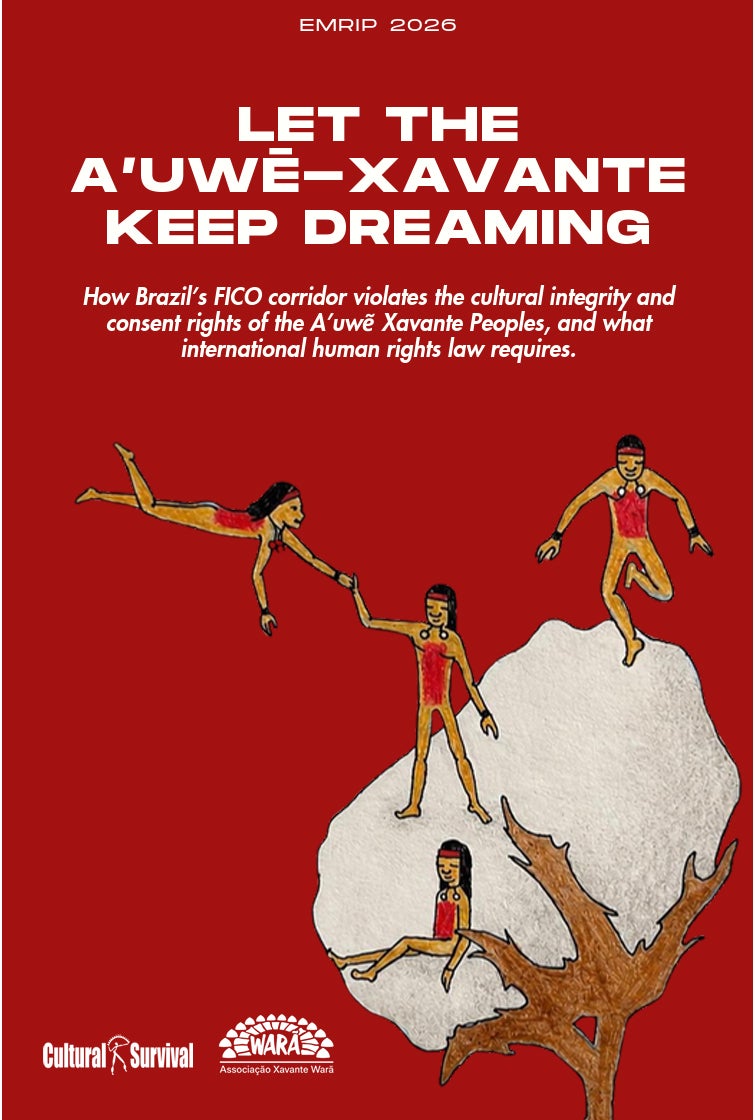
2. Defend Xavante Territory from Fragmentation by Large-Scale Projects
The A’uwẽ-Xavante People in Brazil are standing up for their rights, territory, and future through the “Let the A’uwẽ-Xavante Keep Dreaming” campaign. They are calling for the suspension of the FICO railway project, which would fragment their ancestral territory, violate their right to Free, Prior and Informed Consent, and threaten their culture, spirituality, and way of life.
Take action today!
Read the advocacy brief “Let the A’uwẽ-Xavante Keep Dreaming“
Sign the petition: https://bit.ly/LetTheXavanteDream
Share this post to help amplify their call for justice:
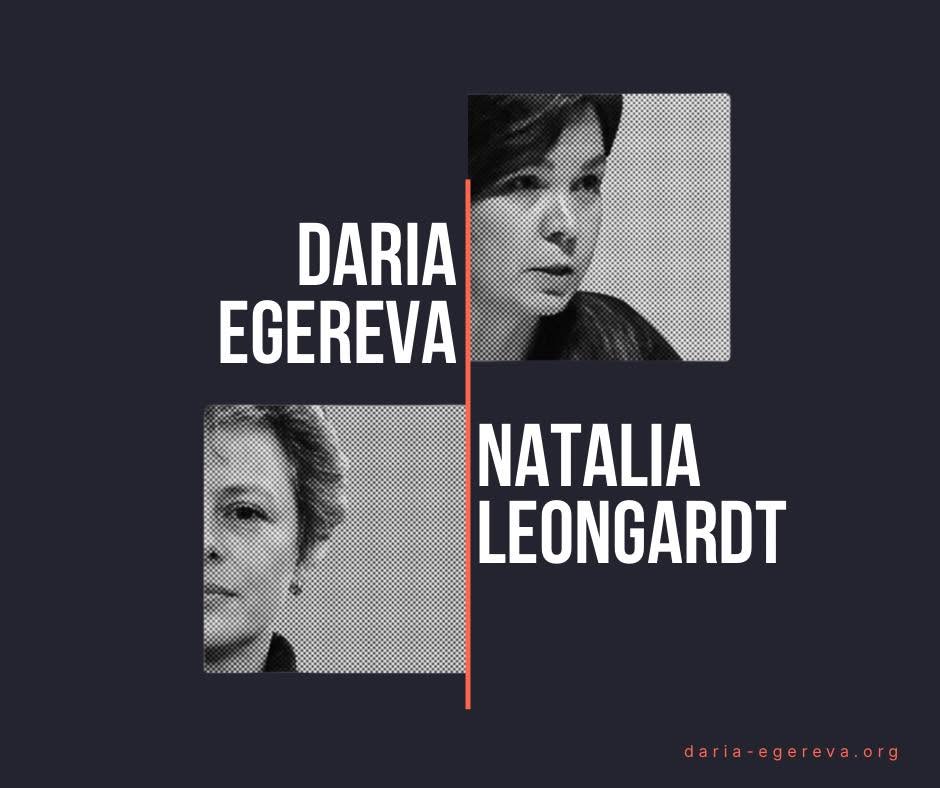
3. Free Daria and Natalia
Daria Egereva (Selkup) and Natalia Leongardt are defenders of Indigenous Peoples’ rights. On December 17, 2025, they were arrested by Russian authorities and charged with participation in a “terrorist organization” (Art. 205.5 part 2) over their work with a network of Indigenous experts and human rights defenders. They have been detained for 236 days, facing up to 20 years on terrorism charges.
Add your voice. Ahead of the International Day of the World’s Indigenous Peoples on 9 August, record a 15–30 second vertical video — “Free Daria Egereva. Free Natalia Leongardt.” or your own words of solidarity. Post it, use #VoicesForDariaNatalia and tag @december17case so we can find and share it.
#december17case #VoicesForDariaNatalia #FreeDaria #FreeNatalia standwithdariaand17
.png)
4. Listen to our Mother Earth Medicine Podcast
Listen to the podcast or follow on your favorite podcast platform.
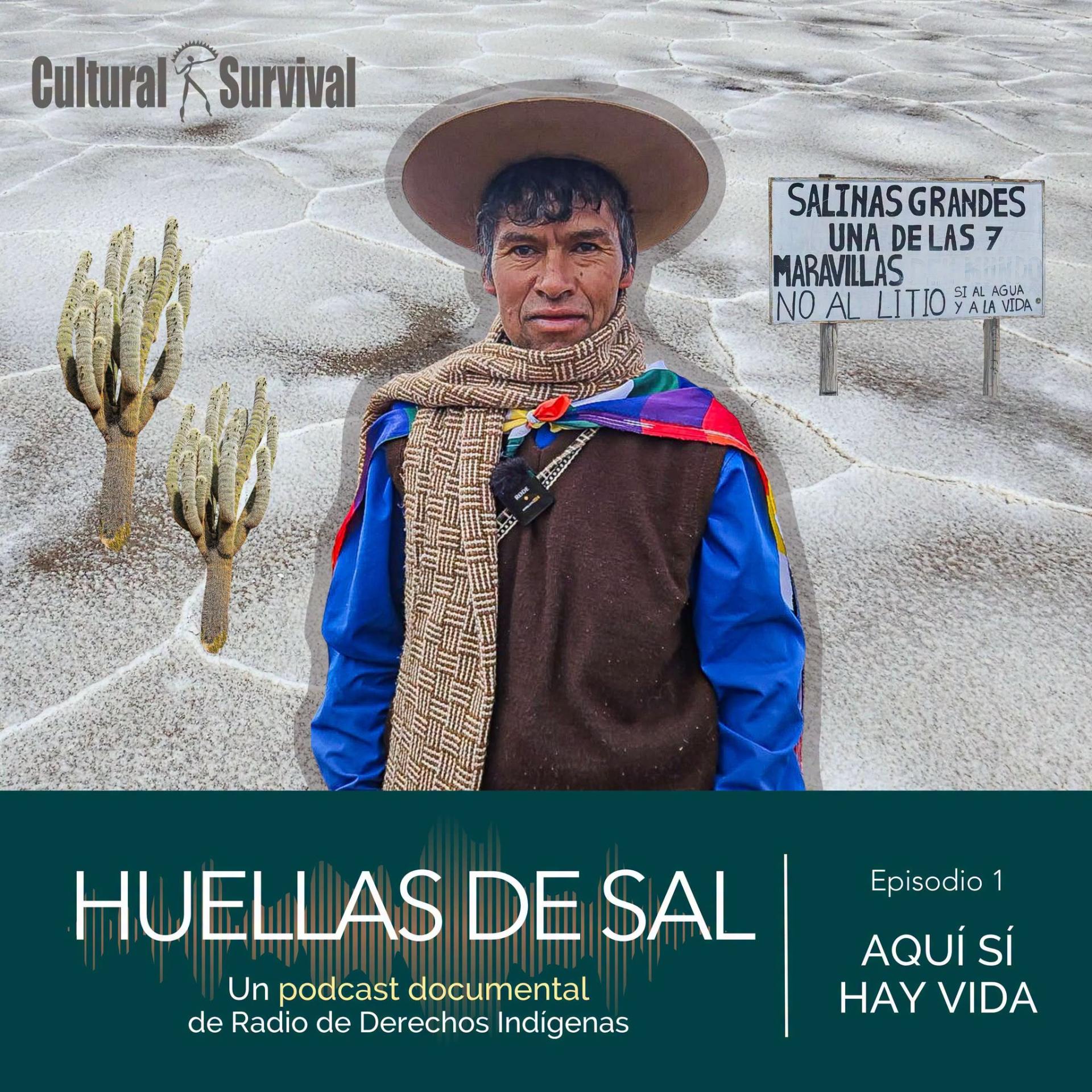
5. Listen to Huellas de Sal Podcast (En español)
Listen to the podcast or follow on your favorite podcast platform.
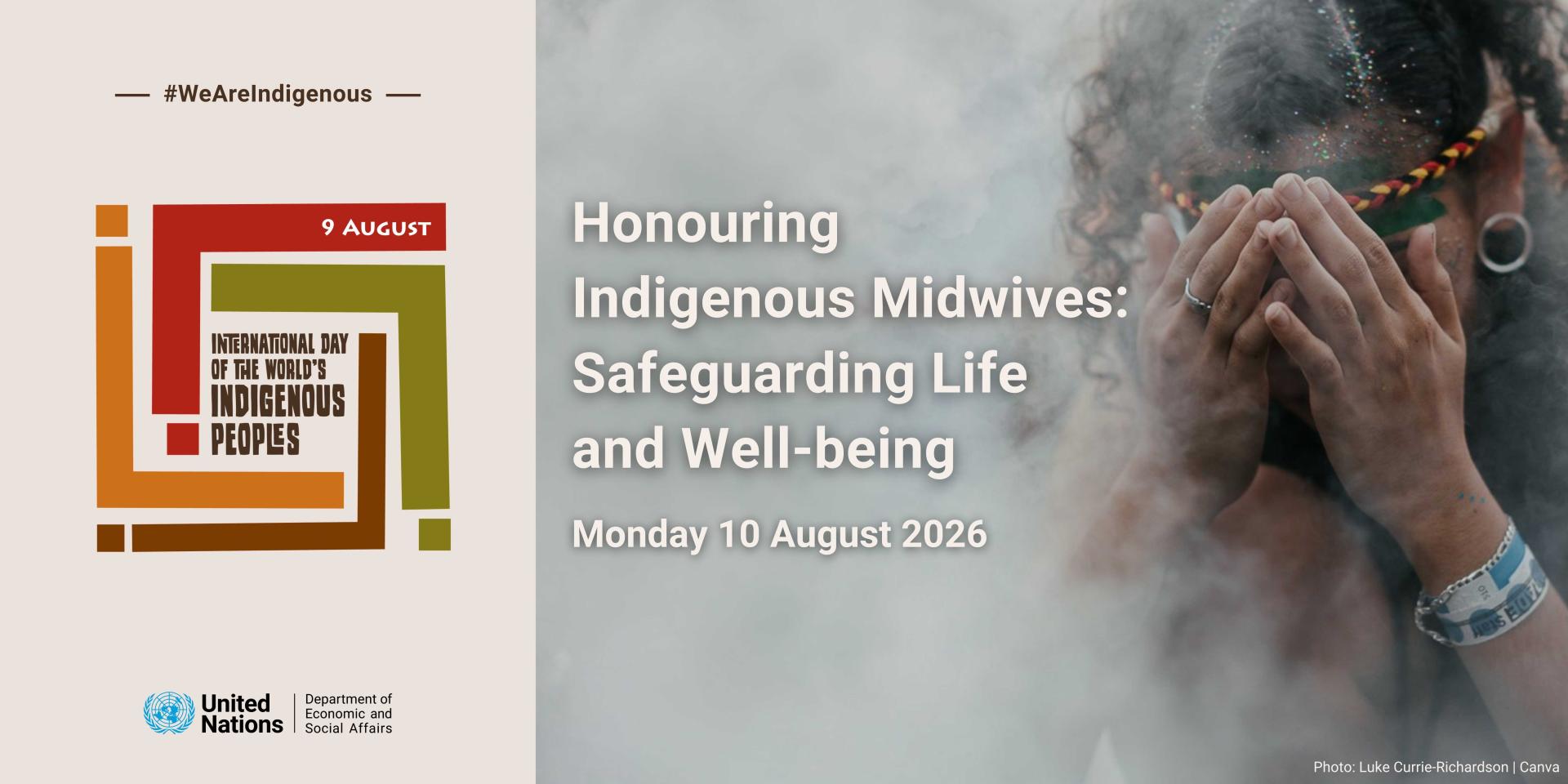
6. Learn more about International Day of the World’s Indigenous Peoples!
The annual International Day of the World’s Indigenous Peoples is being commemorated at the UN virtually on Monday, August 10, at 08:30-10:30 AM EDT (New York time).
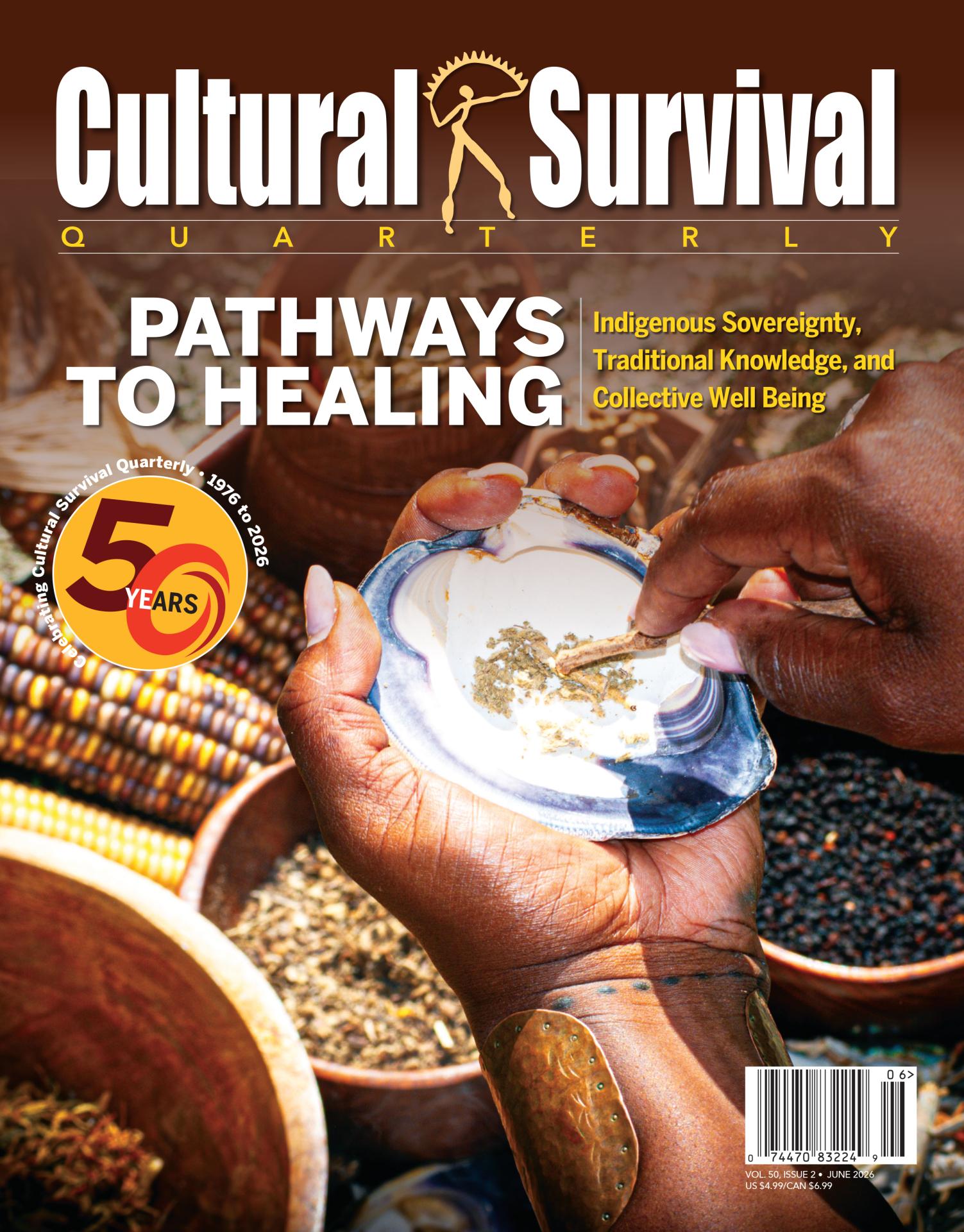
7. Read our latest issue of the Cultural Survival Quarterly magazine. “Pathways to Healing: Indigenous Sovereignty, Traditional Knowledge and Collective Well Being”
Celebrating 50 years of publishing and amplifying Indigenous voices! This issue highlights holistic systems of care rooted in ancestral wisdom informing the present and shaping the future of our communities. These stories speak to the healing power of Indigenous midwifery, culturally-based arts, intergenerational transfer of knowledge about traditional medicines, reviving the feminine path, and a movement shaping social work that incorporates Indigenous Knowledge and respectfully serves Indigenous people. Read it here.