Keeping Indigenous Memory Alive Through Music, Language, and Storytelling
23 September 2026agnes
By Byron Tenesaca (Kichwa Kañari, CS Staff)
Across Indigenous communities, culture is not something preserved only in museums or history books. It lives in songs, languages, instruments, stories, dances, and the knowledge carried from one generation to the next. But as globalization, displacement, and other pressures reshape Indigenous communities, many of these traditions are at risk of being lost. Indigenous youth are using their own voices and creative practices to keep their cultures alive.
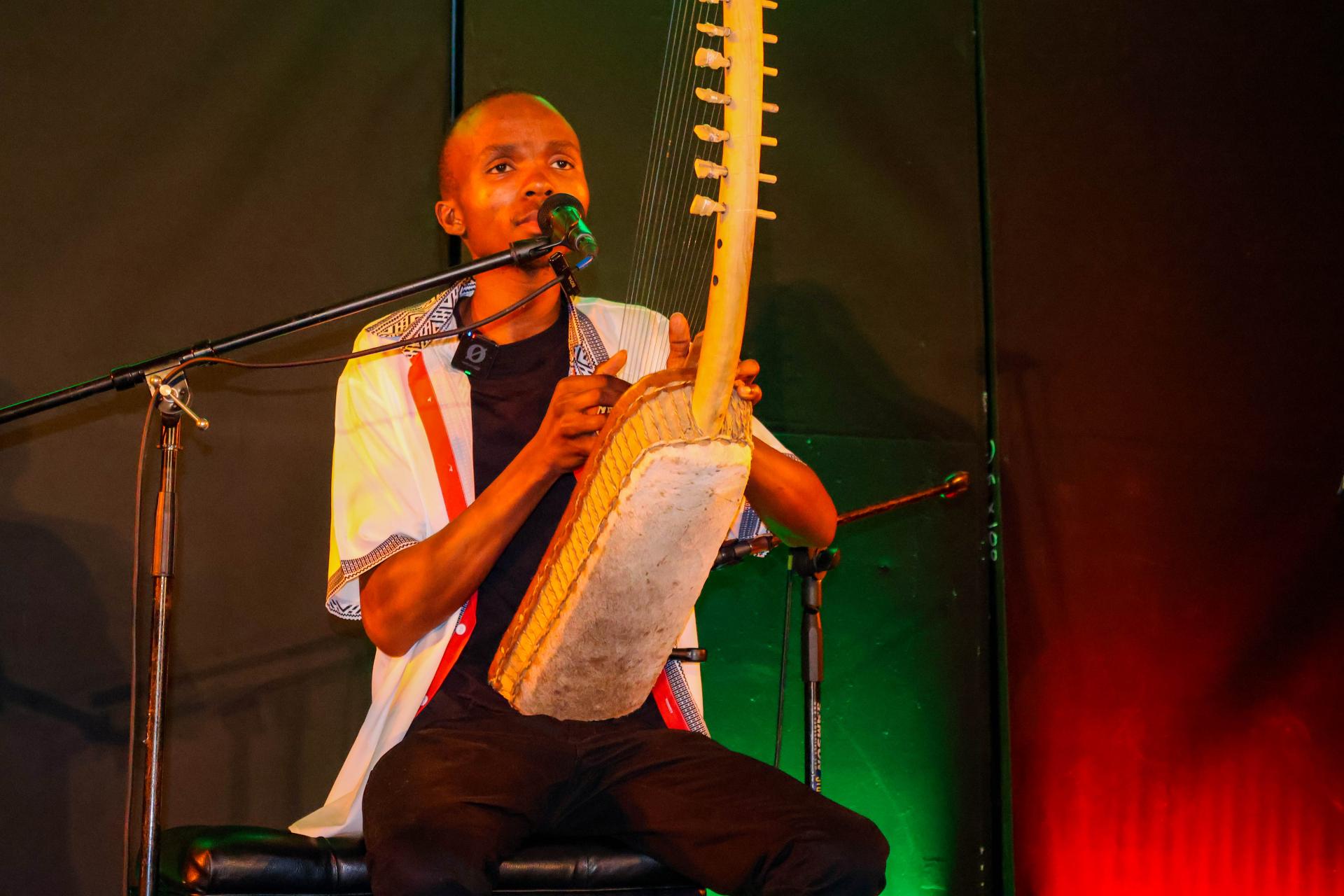
Through Cultural Survival’s Indigenous Youth Fellowship Program, young Indigenous leaders are developing projects that strengthen cultural identity and create new ways for their communities to share and transmit ancestral knowledge. In South Africa, musician, educator, and composer Asakhe Cuntsulana is using music, research, storytelling, and community engagement to help ensure that Indigenous musical traditions remain living practices passed on to future generations.
Reviving the Sound and Story of the uHadi
For South African musician, educator, and composer Asakhe Cuntsulana, music is a way of remembering, healing, and reconnecting with community. As a member of the amaXhosa community, Asakhe has built his work around Indigenous music and the stories it carries. His studies in music at Rhodes University, combined with his work with artists and cultural historians, have enabled him to explore how traditional African sounds can speak to contemporary audiences. Through his work as founder of IThala leAfrika, he promotes Ubuntu, arts, and literature while creating spaces for people to reflect on and celebrate Africa’s diverse cultural heritage.
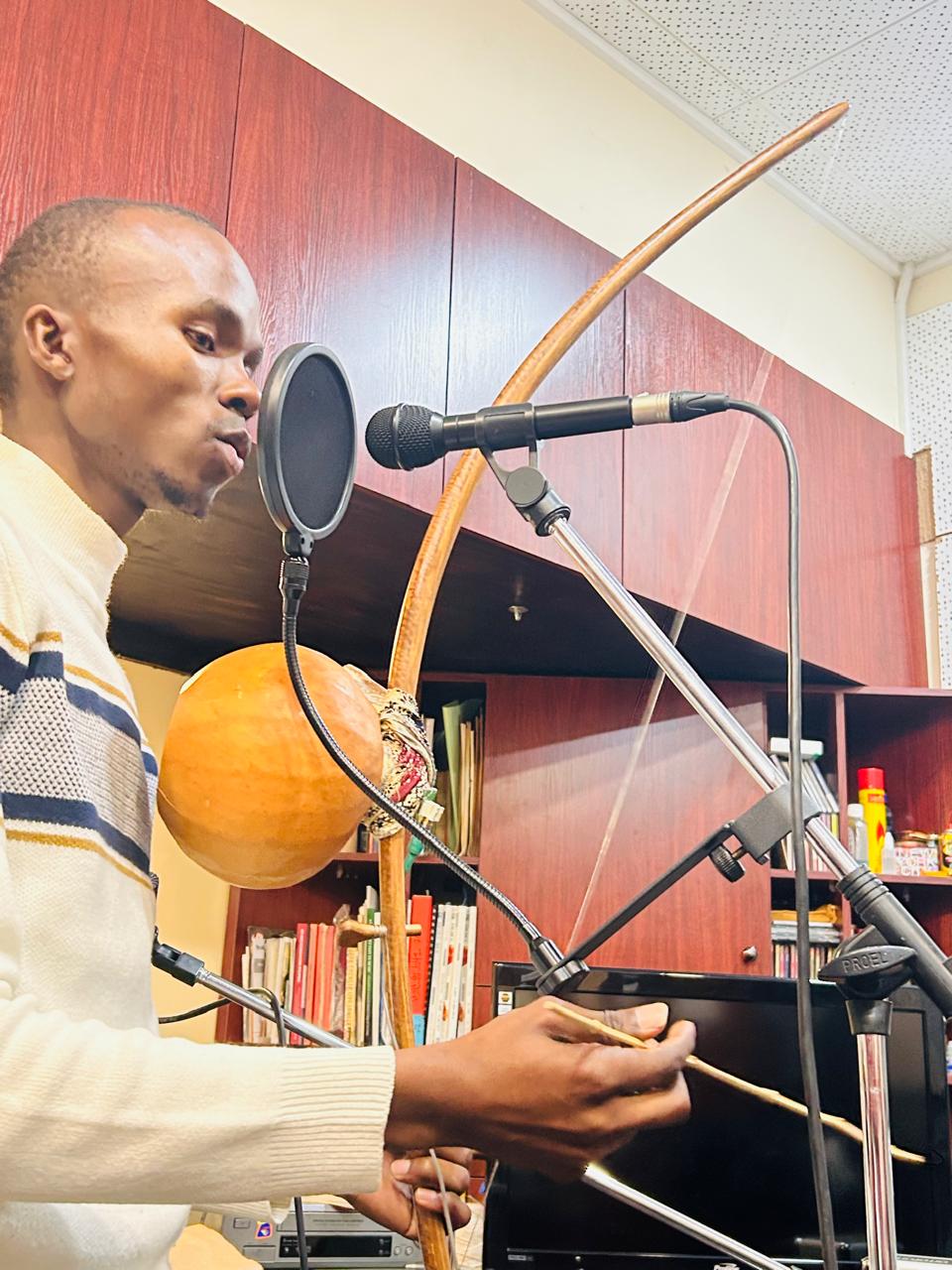
At the heart of Asakhe’s work is the uHadi, the traditional Xhosa bow harp. For generations, Indigenous instruments and the music surrounding them have carried histories, spiritual knowledge, relationships with nature, and ways of understanding the world. Yet much of this knowledge is increasingly vulnerable as younger generations are influenced by globalization and changing cultural practices. For Asakhe, preserving the uHadi is therefore about much more than saving an instrument. It is about protecting the stories, techniques, meanings, and relationships that give the instrument its cultural significance.
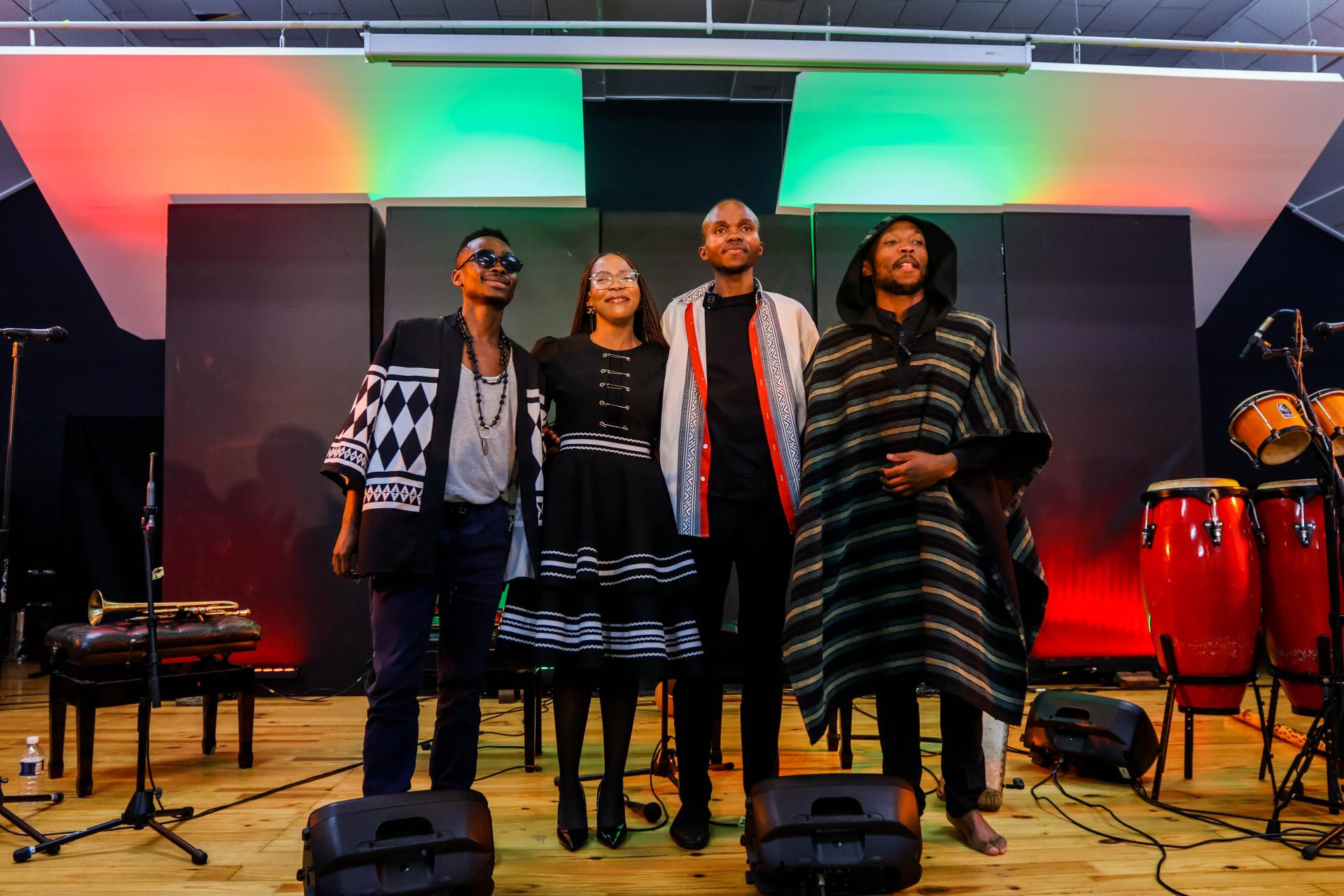
His project also brings the uHadi into dialogue with the Adungu, a traditional harp from Uganda, creating a pan-African exchange around Indigenous musical traditions. By connecting musical practices across African communities, Asakhe’s work explores how traditional instruments can serve as bridges between histories, cultures, and generations.
This vision is at the center of Ingoma yoHadi (Song of the Harp), a project that brings together music, research, storytelling, and publication. Asakhe is developing a music album featuring compositions that blend the sounds of the uHadi, Adungu, and other traditional instruments, while a companion book will document the instruments’ histories, oral narratives, playing techniques, and roles in traditional and contemporary music.
The project builds on preliminary work that began in 2024 through live performances and the development of the concept. By bringing together musicians, cultural historians, and visual artists, Asakhe hopes to create a living archive that can reach both community members and wider audiences. Rather than treating Indigenous music as something fixed in the past, the project recognizes tradition as something that can continue to evolve while remaining connected to its cultural roots.
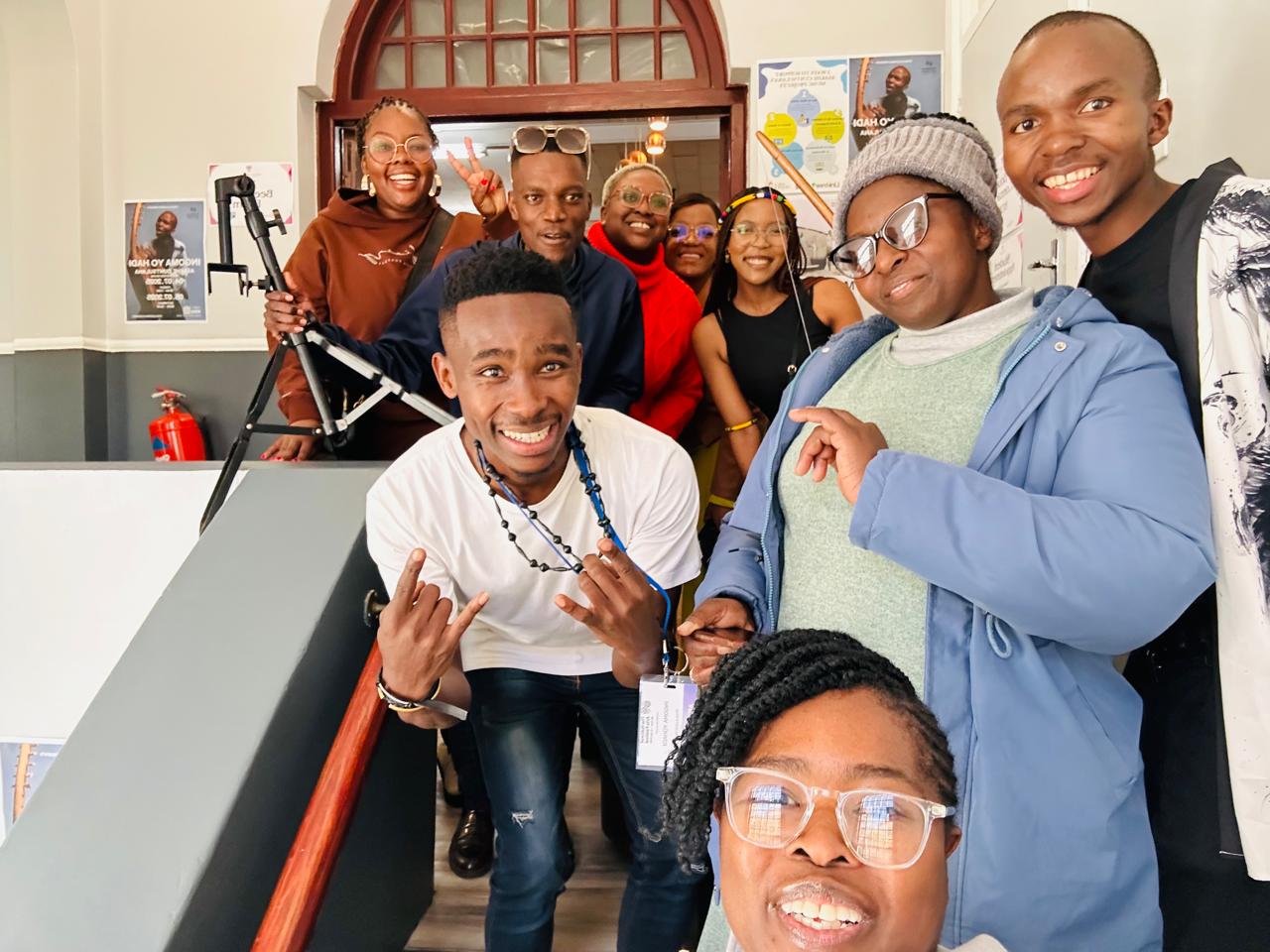
The project will also create opportunities for knowledge to be shared directly within communities. Through local workshops, participants will learn how to play the uHadi and Adungu while exploring their cultural significance. Multimedia materials, exhibitions, online platforms, and public engagements will further extend these stories beyond the performance space.
For Asakhe, this is a way of ensuring that Indigenous music remains a living practice rather than becoming something remembered only through historical records. By combining performance with documentation, education, and storytelling, he is creating opportunities for younger generations to encounter traditional music not simply as an artifact of the past, but as a source of creativity and connection in the present.
Ingoma yoHadi is ultimately an invitation to hear the voices of the ancestors in traditional instruments while making space for younger generations to create their own songs.