Securing Freedom of Expression and Community Radio for Indigenous Peoples in Guatemala: The Path Towards Bill 4087
10 September 2026agnes
By Cesar Gomez (Maya Pocomam, CS Staff)
Freedom of expression is an inherent right for everyone, free from censorship or prior authorization—principles enshrined in both international and Inter-American human rights systems. However, for the Indigenous Peoples in Guatemala, this right has historically been subject to constant violation, alongside the denial of other fundamental rights.
Most Guatemalan laws fail to uphold the right to equality; instead, State-sanctioned discrimination prevails when it comes to Indigenous Peoples and the majority population. A clear example is the General Telecommunications Law (Decree 94-96), which came into effect in 1996. While ostensibly democratic and open to all sectors, it embodied the adage: “Where there is a law, there is a loophole.” In essence, the regulation sought to deny Indigenous Peoples access to radio frequencies by mandating auctions as the sole mechanism for obtaining them—thereby undermining the Peace Accords. This consolidated what was ostensibly an oligopoly but was, in reality, an international monopoly over broadcasting and telecommunications.
For the past 30 years, the Community Radio Movement and Indigenous Peoples have demanded that the State legalize the operation of community radio stations. Since 2002, several legislative initiatives have been introduced—including Bill 4087 (Community Media Law). Although the bill received a favorable committee report in 2010 and advanced to its first and second readings in 2016, the process stalled when the Guatemalan Chamber of Broadcasting ordered lawmakers to halt the third reading. These events illustrate how the business sector blocks Indigenous Peoples’ right to a voice, exploiting legislative inaction by members of Congress.
Faced with these persistent obstacles and having exhausted all domestic legal avenues, the leadership of the community radio movement re-evaluated their strategy in 2012. They chose to file a complaint against the State of Guatemala with the Inter-American Commission on Human Rights for violating Indigenous Peoples’ right to freedom of expression; nine years later, the case was referred to the Inter-American Court, which convened a hearing and trial. In its ruling, the Inter-American Court found the State of Guatemala liable and ordered seven reparation measures, including the approval of regulations for Indigenous community radio stations.
Following the publication of the verdict, the leadership of community radio stations and allied organizations reviewed the content and agreed that Bill 4087—the Community Media Law—meets the international court’s requirements, while acknowledging that certain articles require amendment to fully align with the ruling’s mandates.
This situation prompted a search for support from experts familiar with the legislative body’s organic law to clarify the types and exact number of permissible amendments. According to Article 118, Section C, of the Congress’s organic law, amendments to a bill are capped at 30 percent of its content; these may take the form of: 1) addition, 2) deletion, 3) total substitution, or 4) partial substitution. Sixteen years had passed since the initial committee report; during that time, the Telecommunications Law was reformed in 2012, extending frequency holding rights for usufructuaries from 15 to 20 years. Subsequently, the Inter-American Court of Human Rights (IACHR) issued a ruling (2021) mandating regulations that favor Indigenous community radio stations. With the landscape for relaunching Bill 4087 now clear, the process of convening stakeholders began.
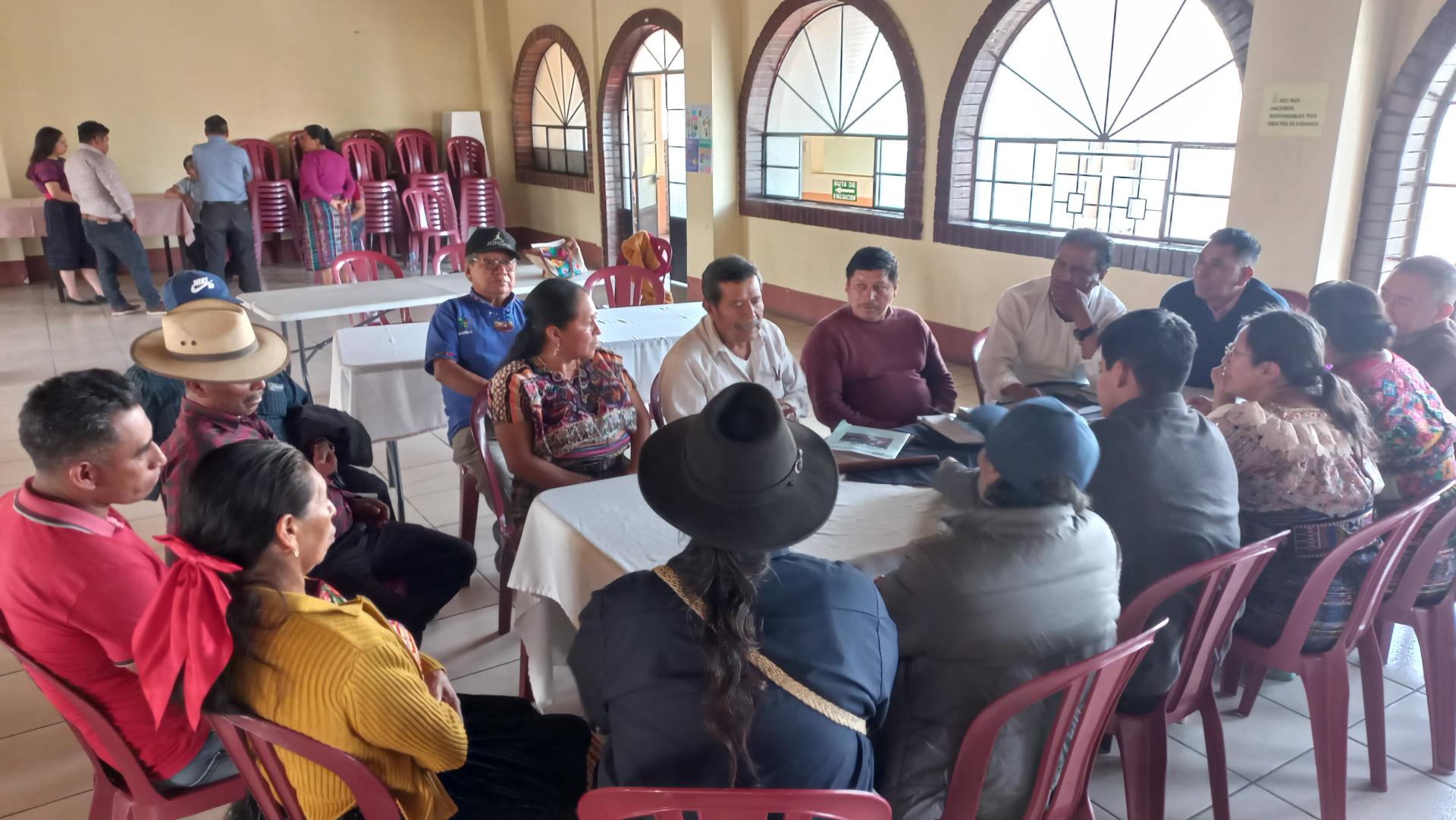
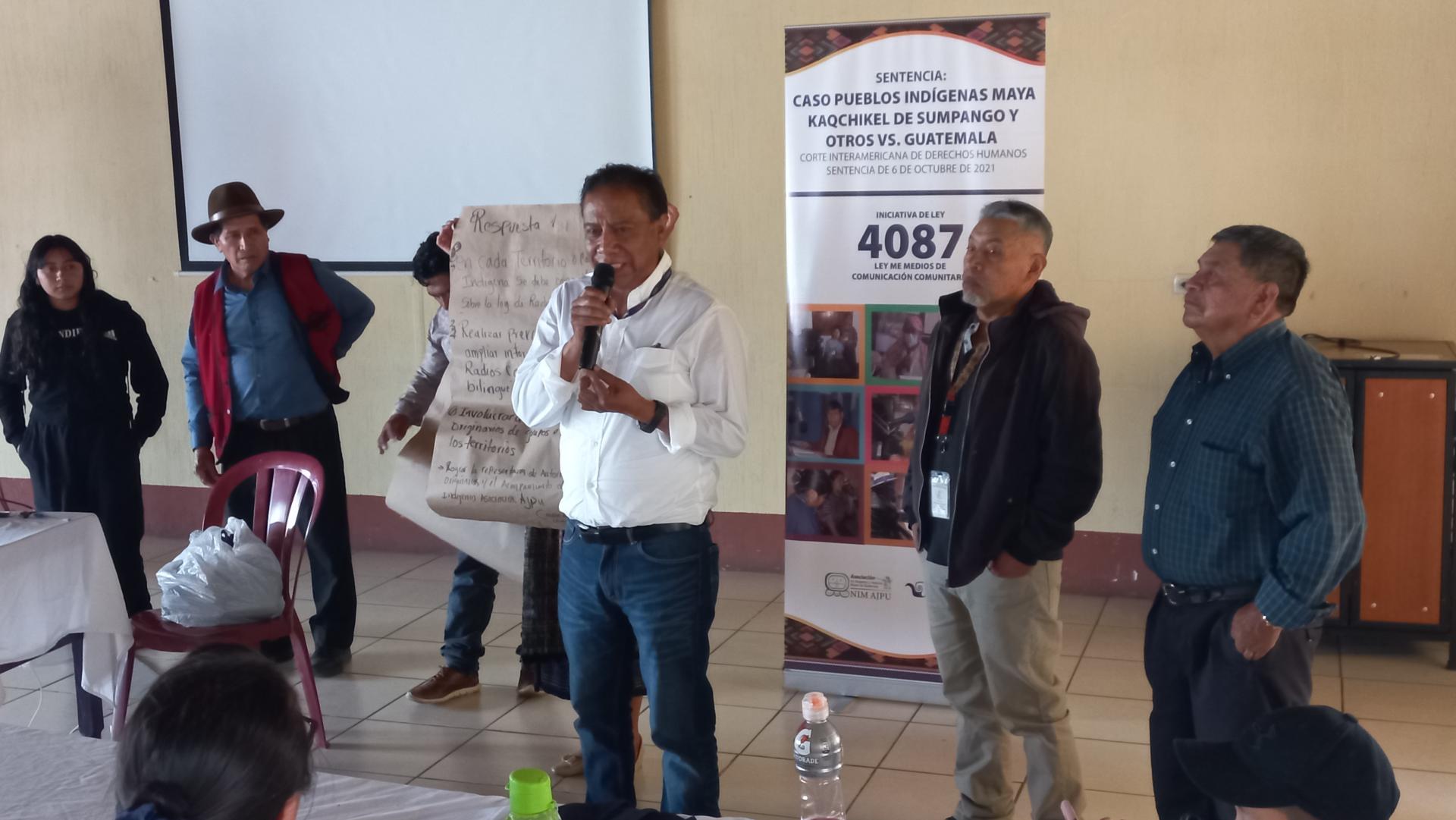
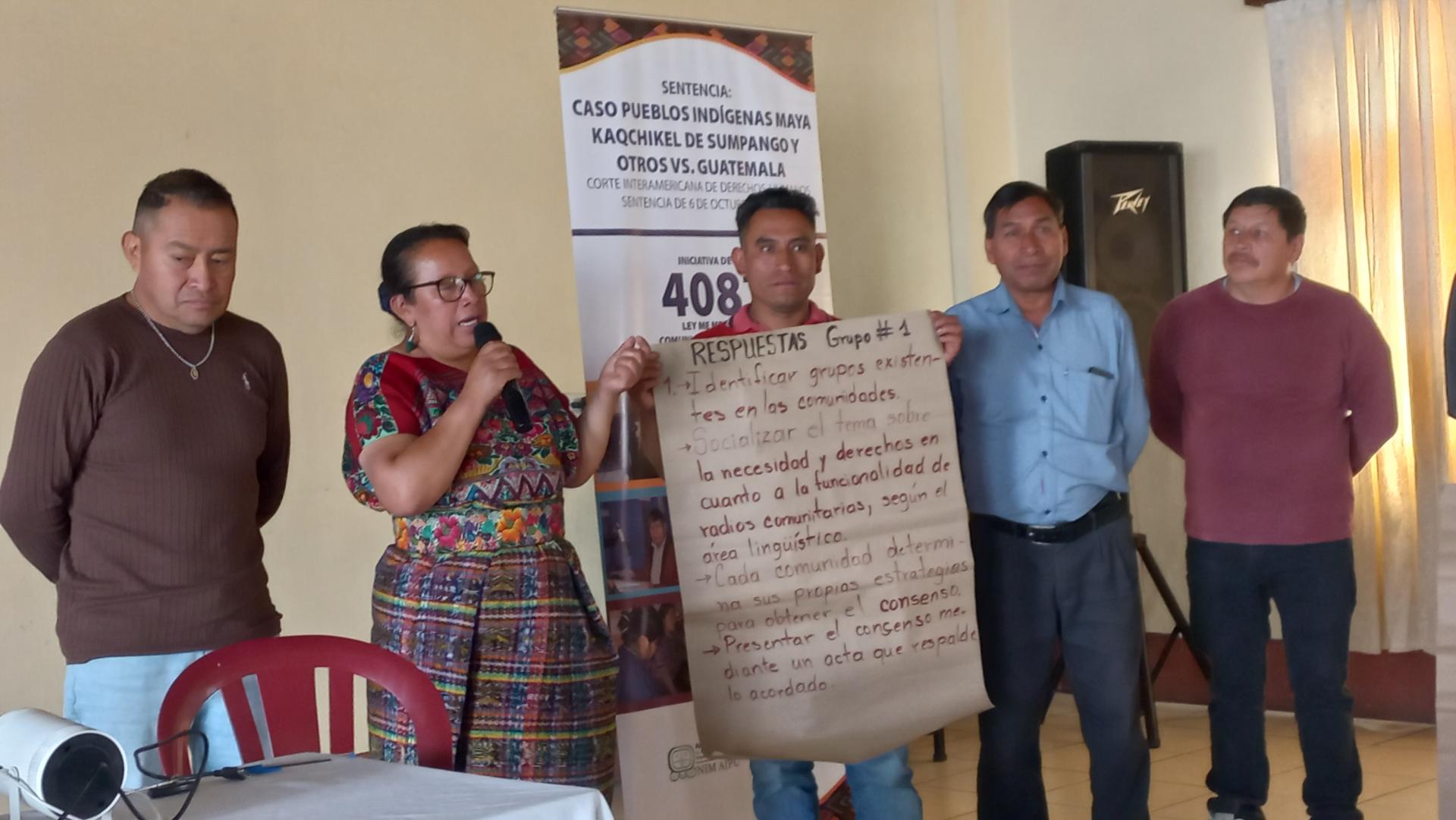
To ensure the participation of authorities and community broadcasters, four meetings were planned in the following regions: Quetzaltenango, Cobán, Chimaltenango, and the capital city. The agenda focused on briefly contextualizing the history of the struggle, the IACHR ruling, and the content of the current Bill 4087. Ancestral authorities readily participated, voicing their communities’ concerns; the analysis and debate over the Bill’s 24 articles required considerable time.
The historical context, combined with the Inter-American Court’s mandates, enabled ancestral authorities and radio station leaders to reach a consensus on seven amendments, representing the maximum 30% of articles allowed. Lawyers from Suffolk University—who have supported the community radio stations throughout the litigation process and are now assisting with implementing the ruling—also participated in the final meeting in the capital city, witnessing the agreement reached on the amendments. The final wording was agreed upon as follows: regarding Article 1 (Purpose of the Community Media Bill), a new category for Indigenous community radio stations was added. To provide further detail on community media and its operations, a partial amendment was made to Article 4 (Definition), highlighting the service provided by community stations within their territories and the participation of the Maya, Garifuna, and Xinca Peoples. Another key aspect involves improving the work of the Superintendency of Telecommunications by incorporating representatives of the people in a support capacity; specifically, Article 8 (Creation) was amended via addition to mandate that the Superintendency and the National Council for Community Media work together to draft the law’s implementing regulations and assist with the process of assigning radio frequencies to Indigenous communities.
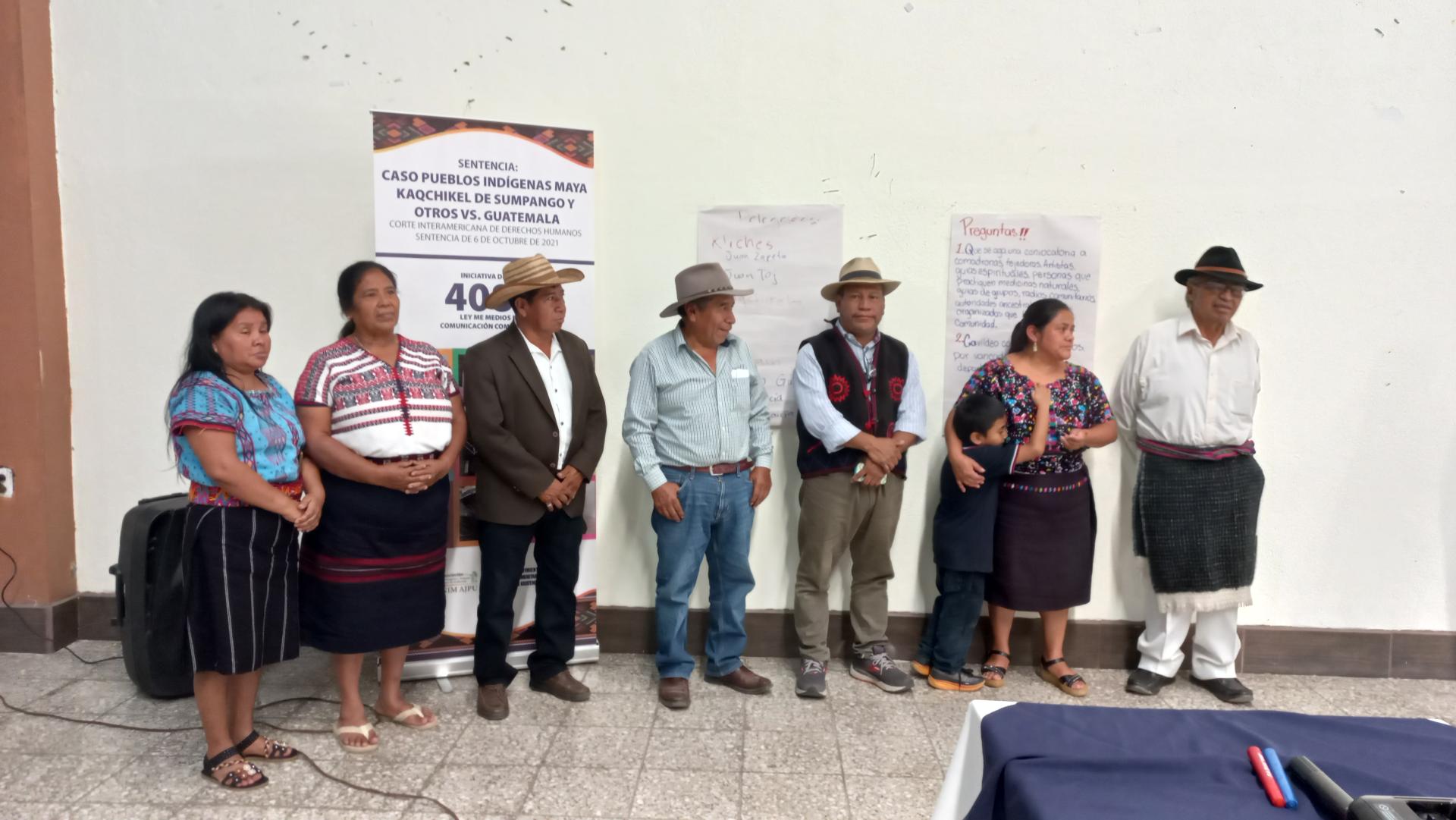
Another change concerns the composition of the National Council for Community Communication. Article 9 (Composition) proposes the inclusion of four representatives from ancestral authorities and four from Indigenous community radio stations; it also specifies that a technical expert from the Superintendency of Telecommunications and one from the National Council for Community Media will attend meetings with the right to speak but not to vote.
It was also acknowledged that in recent years some State institutions have changed their names; consequently, it was necessary to update Article 11 (regarding the Council’s powers) by way of a partial deletion amendment. This update reflects the new name of the Ministry of Communications, Infrastructure, and Housing, as well as the defining characteristics of Indigenous community radio stations.
Participants repeatedly emphasized the need to ensure that communities are the primary beneficiaries, proposing an amendment to Article 15 (Allocation Criteria) to prioritize Indigenous community media. Furthermore, concerns were raised regarding the lack of democratic criteria in the country’s laws; bearing in mind the demands of an international tribunal requiring the State to implement changes, Article 19 (Frequency Reservation) proposes an equal distribution of radio frequencies: 33% for Indigenous community radio use, 33% for commercial use, and 33% for State use.
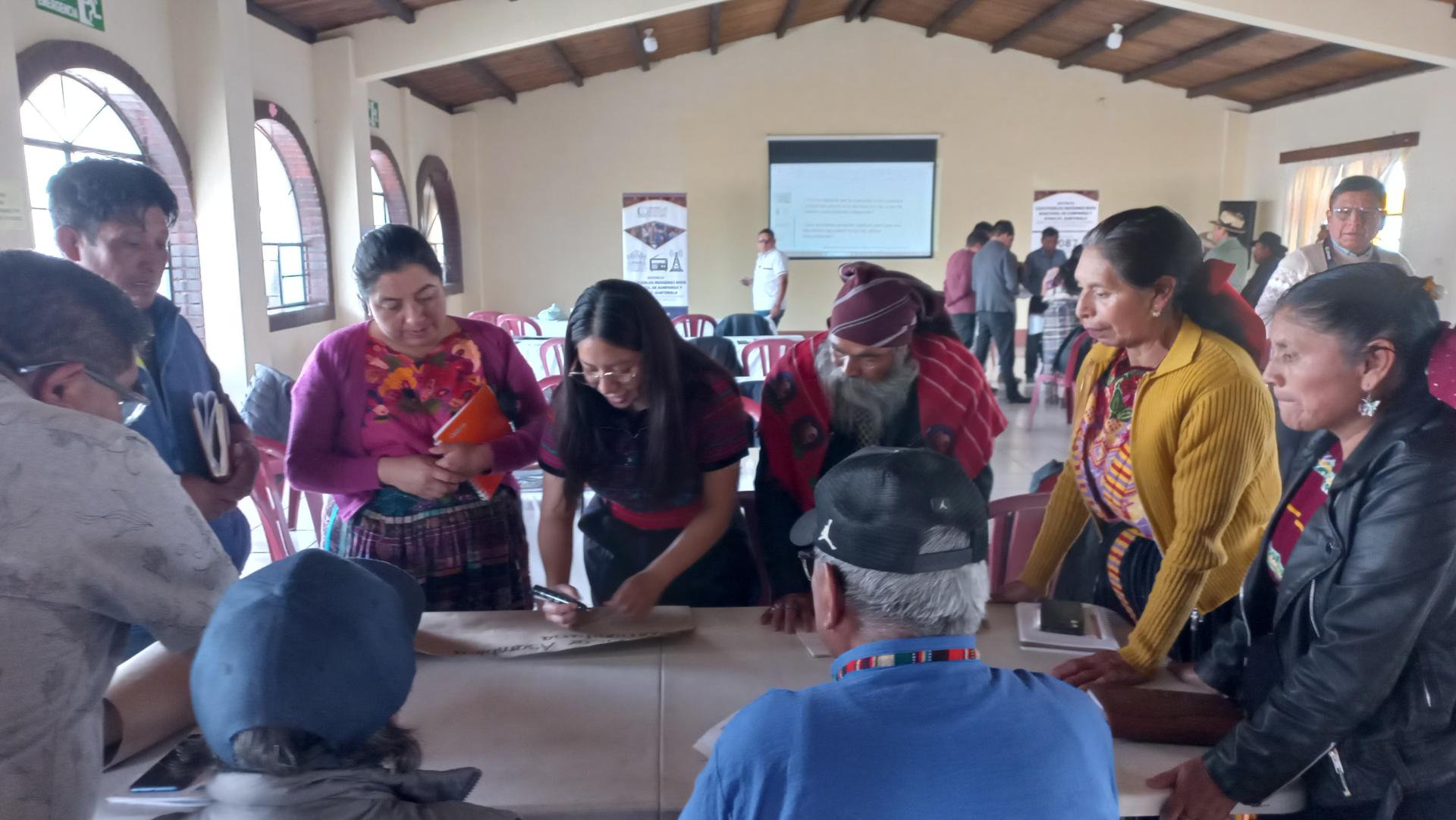
The proposed amendments have undergone consultation and enjoy broad public support. On September 1, 2026, a press conference was held at the Legislative Palace to announce the amendments and call upon members of Congress to legislate in favor of Initiative 4087. Assessments indicate that 81 legislative votes will be required to pass Initiative 4087. The power now lies with the lawmakers to meet the Indigenous Peoples’ historic demand for the democratization of the radio spectrum, comply with an international ruling, and demonstrate substantial progress in combating the racism and discrimination that have severely harmed Indigenous Peoples by curtailing their freedom of expression.