UN and Partners Work to Stabilize Health and WASH Systems in Venezuela Following Deadly Earthquakes
 10 September 2026
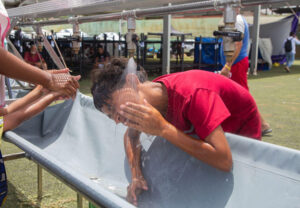
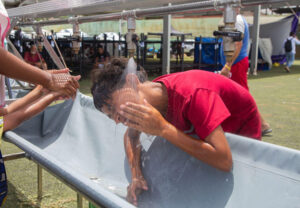
Following the June earthquakes in Venezuela, UNICEF has provided on-the-ground support, scaling up supplies and services to reach vulnerable children and their families. Credit: UNICEF/Francisco Segovia
By Oritro Karim
UNITED NATIONS, Sep 9 2026 (IPS)
Two months after devastating twin earthquakes struck northern and central Venezuela on June 24, the humanitarian community has been on the frontlines, delivering lifesaving aid and focusing efforts on sustainable paths for rehabilitation.
With health and water, sanitation, and hygiene (WASH) systems pushed to the brink of collapse, the United Nations (UN) and its partners are currently working to restore critical services by distributing essential supplies while closely monitoring recovery conditions.
As of August 28, the Office for the Coordination of Humanitarian Affairs (OCHA) estimated that roughly 1.3 million people have been affected by the earthquakes and will require humanitarian support for the next six months. Approximately 6,509 deaths have been reported as a direct result of the earthquakes, and 60,785 homes were evacuated due to damage or destruction.
The damage to essential civilian infrastructure has been immense and widespread, with the UN reporting damage not only to residential buildings but also to schools, health facilities, and infrastructure related to food production, clean water, and safe spaces for children.
A preliminary assessment by the United Nations Office for Disaster Risk Reduction (UNDRR) places the total losses from direct damage to housing and infrastructure at around US$37 billion, while estimates from the United Nations Development Programme (UNDP) place the losses at US$6.7 billion— roughly 6 percent of the nation’s total gross domestic product.
Immediately following the earthquakes, UNDP activated RAPIDA—a rapid assessment system that combines satellite imagery, AI-facilitated damage monitoring, exposure databases, and seismic intensity and engineering models—to provide the national government with critical data on the scale of destruction to guide effective recovery efforts.
According to the assessment, the earthquakes generated approximately 2.1 million tonnes of rubble as of mid-July, which has since been integrated into national debris-management planning. By late August, national authorities estimated that roughly 21.61 percent of the total rubble had been cleared.
Despite this progress, living conditions remain highly precarious for millions of Venezuelans. Tens of thousands of people remain displaced across 80 temporary shelters. Rampant overcrowding, unsanitary conditions, and lack of access to basic services have made these facilities breeding grounds for disease outbreaks.
“In the coming weeks, the greatest health risks may stem not only from injuries caused by the earthquakes, but also from disruptions to health services, overcrowded conditions, deficiencies in water and sanitation, and reduced access to vaccination and routine healthcare,” said Jarbas Barbosa, director of the Pan American Health Organization (PAHO), adding that vaccine coverage was significantly sparse even before the earthquakes.
The UN and its partners have prioritized restoring WASH systems, underscoring the need for access to clean and safe water to prevent disease outbreaks. The United Nations Children’s Fund (UNICEF) noted that despite substantial gains in access to safe water recorded over the past two months, heavy rains, limited availability of water trucking, and rising operational costs continue to jeopardize lifesaving operations.
“After the catastrophic damage the earthquakes created, the priority has been to ensure that children have access to safe and clean water. But recovery also means ensuring that families can rely on safe water both now and in the future,” said Manuel Rodríguez Pumarol, UNICEF Representative in Venezuela.
“Recovery requires sustaining what works and strengthening the services that families need over the long term. UNICEF will continue providing technical assistance, supplies and operational support so that every child can grow up in a healthy and protective environment,” Rodríguez Pumarol added.
Currently, UNICEF and Venezuela’s Ministry of People’s Power for Water Services are mobilizing efforts to rehabilitate critical water infrastructure in La Guaira—one of the hardest-hit regions. Aiming to reach up to 250,000 people, operations will commence in October and will include reinforcing the Mamo pumping station and the Naiguatá water treatment plant.
As of September 8, UNICEF’s operations have reached at least 16,661 people, including 5,079 children. Several communities so far have been provided with access to safe water, marking a critical turning point in stabilizing health, nutrition, and protection.
In recent weeks, PAHO’s response has transitioned toward immediate emergency interventions and early recovery. Key areas of focus include mental health, maternal and perinatal care, restoring interrupted services, and ongoing support for transitional shelters.
On September 4, PAHO released a situation report detailing its current operations in Venezuela, confirming that it had shipped 41.3 metric tons of medical supplies and medicines to Venezuela, reaching approximately 70,697 people. PAHO and its partners are working to support early detection and response measures while monitoring environmental risks in transitional shelters.
The organization has highlighted the Caracas, La Guaira, Miranda, and Aragua regions as the most vulnerable, noting that these regions require urgent support in prenatal care and family planning, gender-based violence prevention, and rehabilitation services. In response, PAHO has launched a US$23 million appeal to fund lifesaving health interventions for the next six months.
IPS UN Bureau